
SP5: Combined Effects of Setosphaeria turcica and Abiotic Stresses on
Maize Genotypes
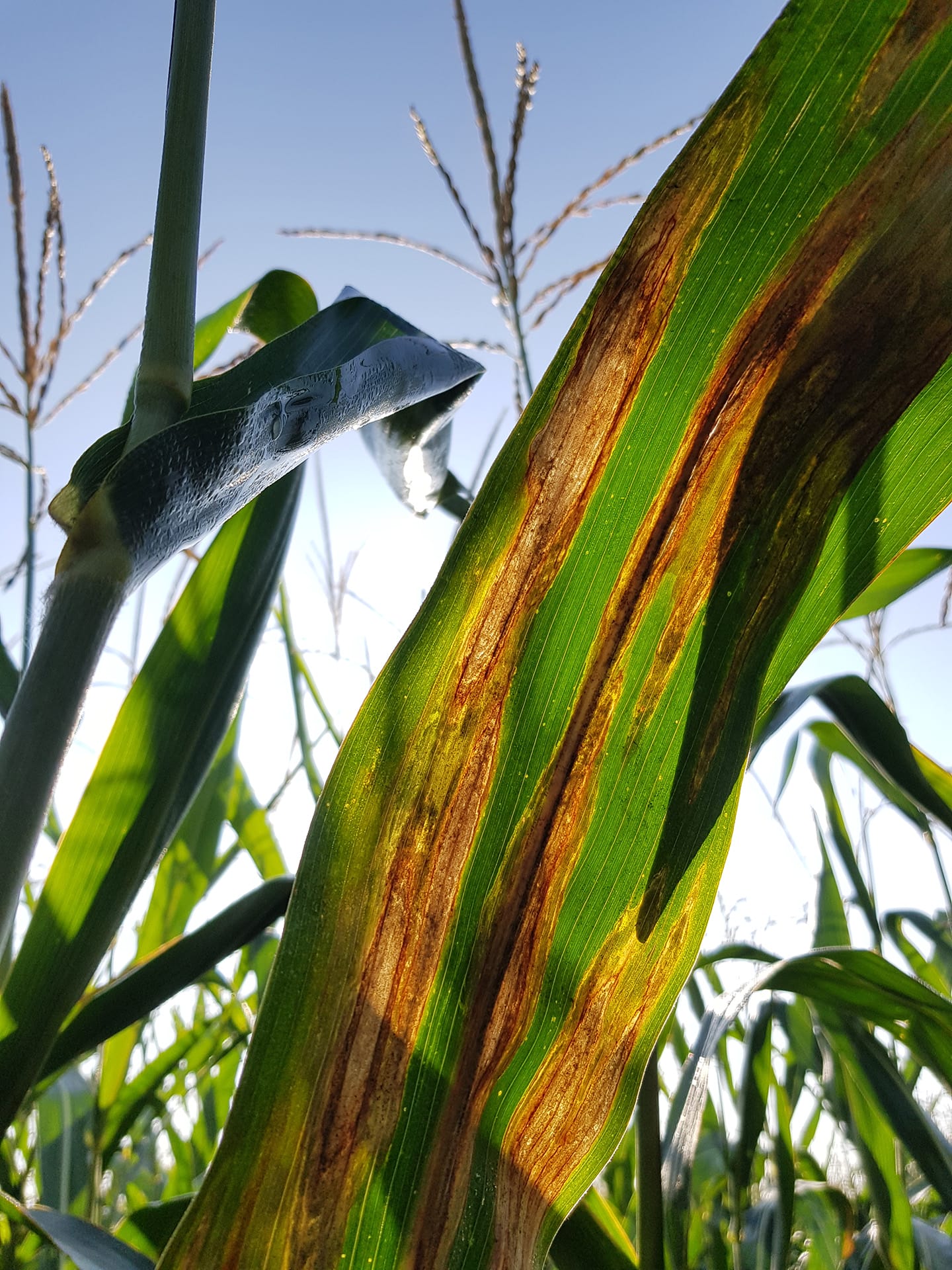
How do plant diseases behave when crops are already struggling with drought and nutrient deficiency? SP5 explores how the maize pathogen Setosphaeria turcica interacts with drought and nitrogen deficiency and how these combined stresses affect plant health, yield, and grain quality. This subproject aims to understand why several stress factors often cause disproportionately large damage by combining field experiments, physiological analyses, and crop modelling.
Project description
In agricultural fields, crops rarely face only one challenge at a time. Instead, plants often experience a combination of environmental stresses and pathogen attacks. SP5 focuses on one such interaction: the foliar pathogen Setosphaeria turcica, which causes northern corn leaf blight, and its interaction with drought and nitrogen deficiency in temperate and tropical maize cultivars.
The central research question is how these stresses interact with each other and whether their combined effects are stronger than expected when only looking at the individual stresses alone. In particular, the subproject investigates whether accelerated leaf senescence acts as a key mechanism that links abiotic stress and disease severity. Understanding this interaction is essential, as senescence directly influences photosynthesis, plant vitality, and ultimately yield.
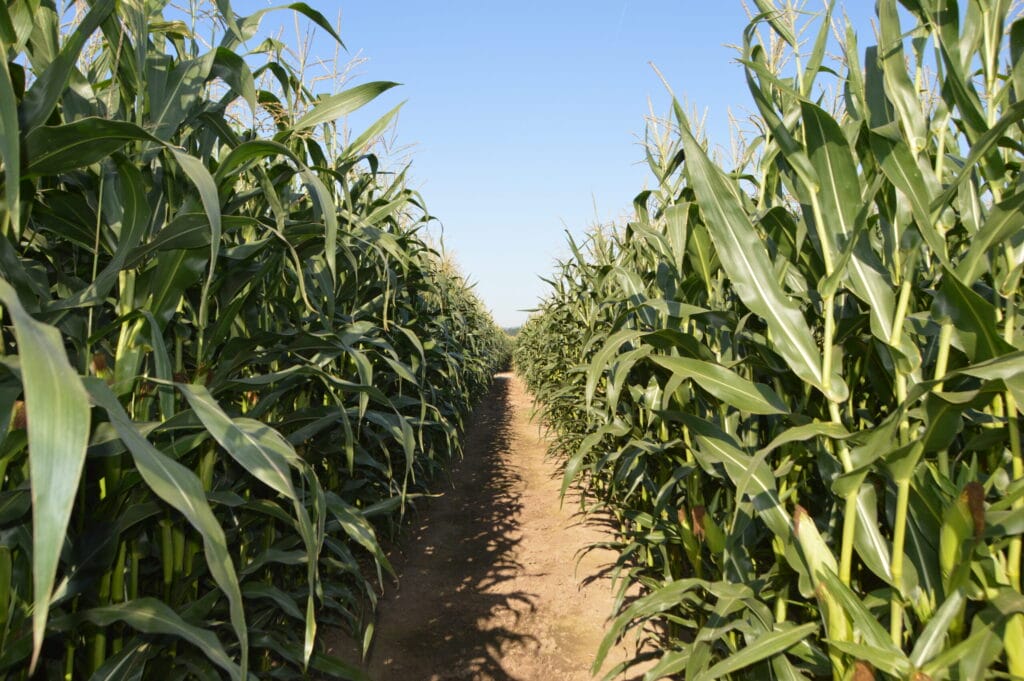
To address these questions, SP5 combines greenhouse and climate chamber experiments with multi-year field trials in contrasting, i.e. temperate and tropical, production environments.

Commercial maize hybrids with different susceptibilities to drought and S. turcica are analysed to capture genotype-specific responses. Physiological and biochemical traits such as chlorophyll content, protein levels, antioxidant activity, phenolic compounds, lignin content, and photosynthetic performance are measured alongside disease progression, growth, and yield parameters.
The resulting datasets will be used to identify key physiological processes that drive multi-stress responses and to integrate these mechanisms into process-based crop models. By combining plant physiology, plant pathology, and modelling, SP5 contributes essential knowledge to the MultiStress research unit and helps improve the predictions of crop performance under increasingly variable climate conditions.
Research Team SP5

Dr. Pfordt
Plant Pathology

Dr. Koopmann, CoA
Plant Pathology

Prof. Rötter
TROPAGS

Dr. Hoffmann
TROPAGS

Dr. Tesfaye, CoPa
AGRA

Dr. Emitaro, CoPa
JOOUST

Dr. Onyango, CoPa
JOOUST

Huß, PhD
Plant Pathology

Mugarura, PhD
TROPAGS

Adera, PhD
Plant Pathology

Heise, TA
Entomology & Plant Pathology
Quick Navigation → MultiStress Research Unit
Discover the central project, coordination project & 6 subprojects

ZP – Central Project
Experimentation, data hub and synthesis of findings
SP1
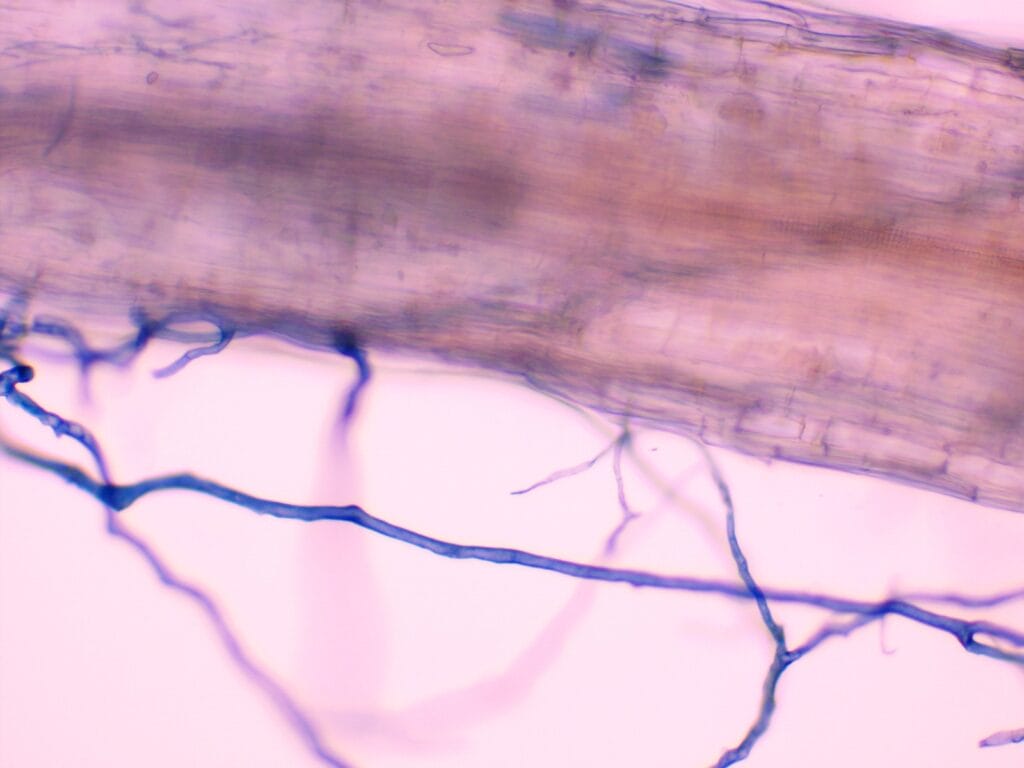
Effect of stress by genotype interactions on above- and belowground carbon allocation, nutrient use efficiency and root-zone processes
SP2
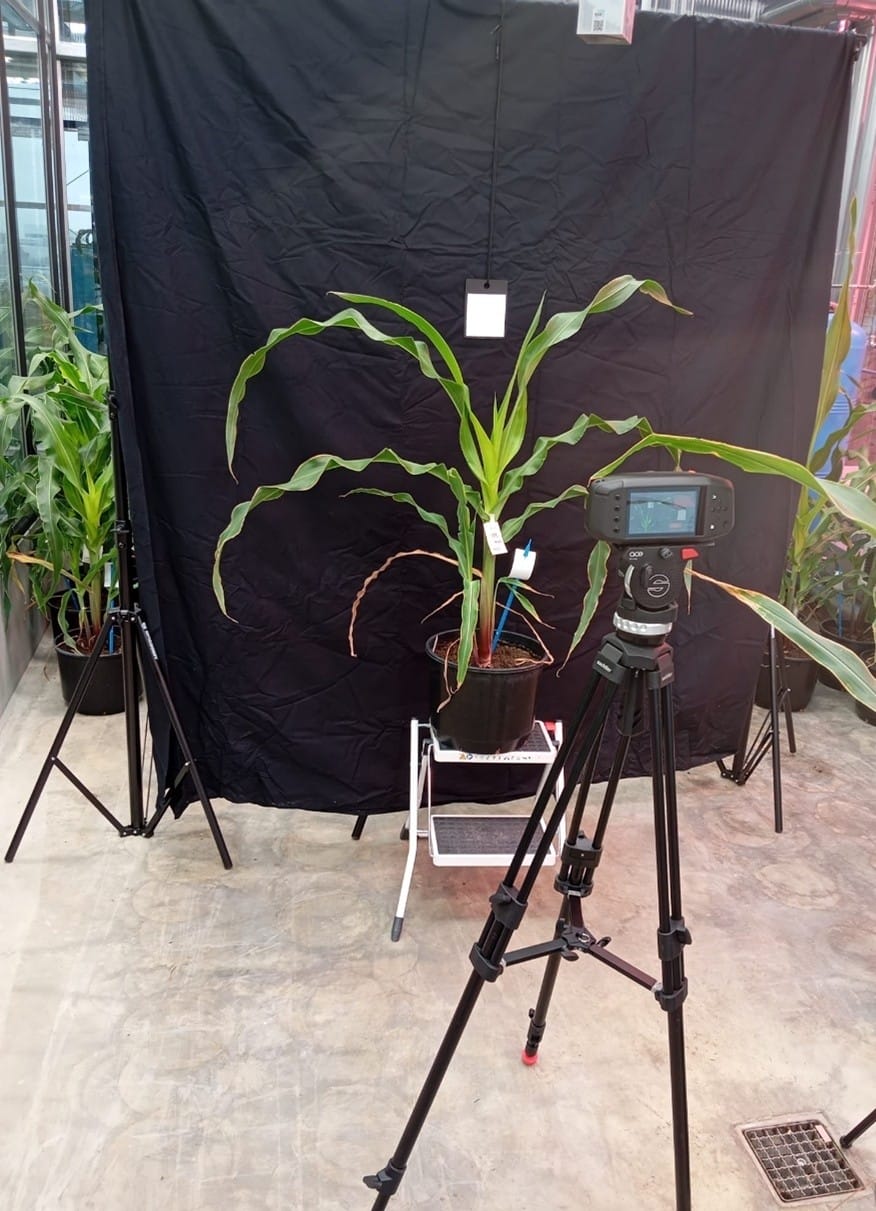
Investigating the physiological, biochemical, and molecular responses of maize to concurrent biotic and abiotic stresses
SP3
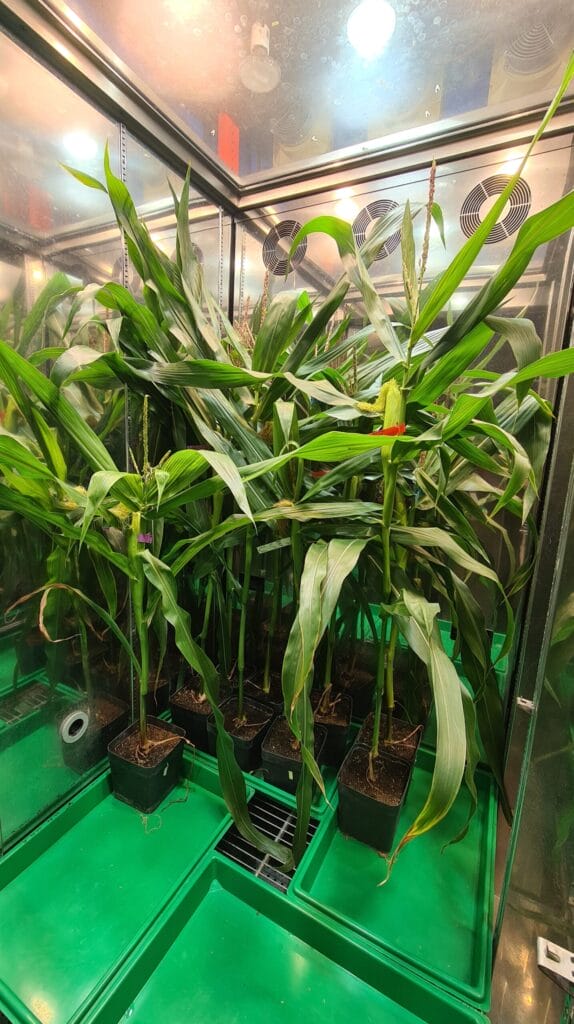
Molecular adaptation to contrasting stress regimes
SP4
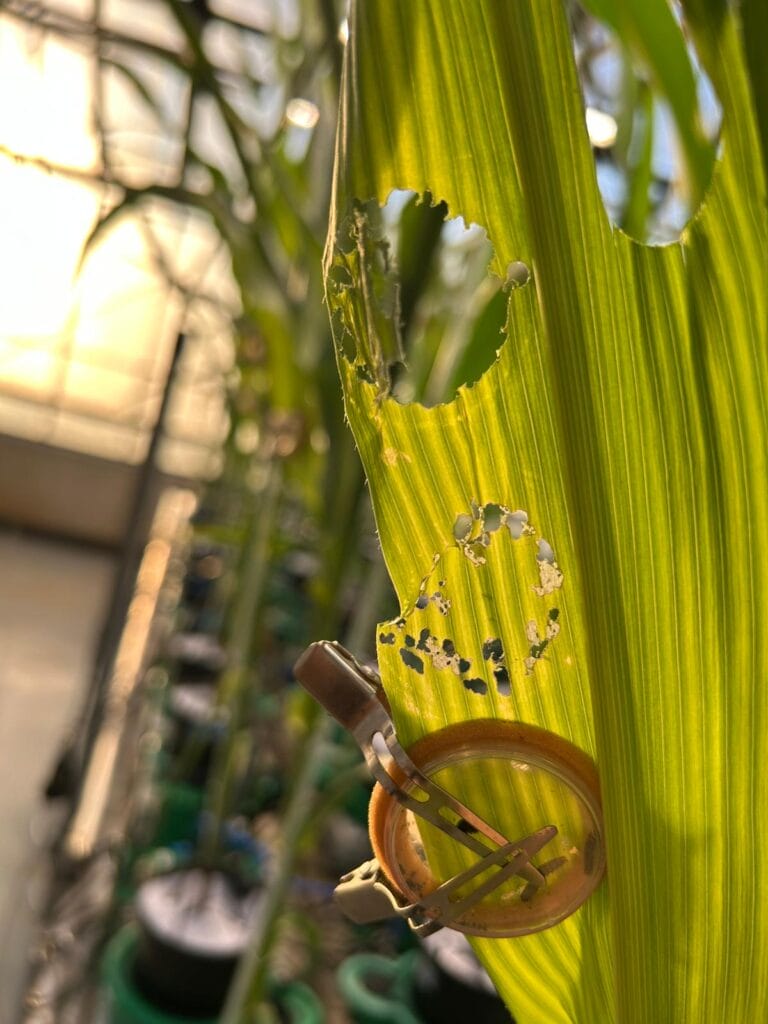
Combined effects of stem borers and abiotic stresses on maize commercial hybrids
SP5
Combined effects of Setosphaeria turcica and abiotic stresses on
maize genotypes
SP6
Integrating genetics into crop growth models to understand genotype response to combined (abiotic + biotic) stresses & synthesis of modelling

COP – Coordination Project
Strategy, dissemination, and capacity building