
SP2: Investigating the Physiological, Biochemical, and Molecular Responses of Maize to Concurrent Biotic and Abiotic Stresses
How does maize respond when drought, heat, nitrogen deficiency, and attacks by pathogens or insects occur simultaneously? SP2 is unravelling the physiological, biochemical, and molecular mechanisms underlying maize responses to combined stresses – from root water uptake and stomatal regulation to ABA signalling and oxidative stress. Cutting-edge imaging, machine learning, and functional genomics are employed to support maize breeding under the conditions of a changing climate.
Project description
Main research questions:
How do maize plants integrate responses to concurrent abiotic (drought, heat, nitrogen deficiency) and biotic (Setosphaeria turcica, stem borer) stresses? What are the key hydraulic, biochemical, and molecular bottlenecks that limit performance under multistress conditions? Can we identify functional variations in ABA signalling components that result in increased multistress tolerance? And finally: Can hyperspectral imaging, in combination with machine learning, reveal interpretable spectral signatures that reflect underlying physiological and biochemical stress responses?
Methods/approaches (keywords):
Soil-plant hydraulics; automated root pressure chamber; X-ray micro-CT; neutron radiography with D₂O labelling; hyperspectral imaging (400-1000); vegetation indices (NDVI, PRI, WBI, DWSI); thermal imaging; chlorophyll fluorescence; machine learning (SVM, PLSR, ANN); phytohormone profiling (UHPLC-HESI-HRMS); ROS and antioxidant enzyme assays (SOD, POD, CAT, APX, GPX); protoplast-based functional assays of ABA signalling variants; controlled environment; field experiments in Germany & Kenya.
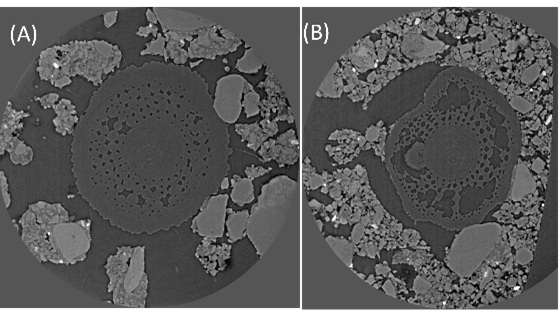
Expected outcomes and relevance:
SP2 will provide a mechanistic understanding of how hydraulic limitations in the soil-plant system, root-soil interactions, stomatal behaviour, oxidative stress balance, and ABA signalling are coordinated under multistress scenarios. By integrating high-resolution phenotyping, including hyperspectral imaging combined with physiological and biochemical reference data, with molecular functional analysis across six commercial hybrids and in two contrasting environments, SP2 will identify key traits and regulatory nodes underlying multiple stress conditions. Machine learning models will extract meaningful patterns from multidimensional spectral data, enabling the identification of stress-specific signature identification and supporting trait-based interpretation. These insights will directly feed into the MultiStress modelling platform (SP6), provide a physiological context for genomic and transcriptomic data (SP1, SP3), and serve as guide for identifying breeding targets for more resilient maize varieties under climate change conditions.
Research Team SP2

Prof. Ahmed, PI
Root-Soil TUM
Dr. Ejaz, PI
Agronomy

Dr. Yang, CoPI
Root-soil TUM

Prof. Otieno, CoPa
JOOUST

Dr. Bulli, CoPa
JOOUST

Dr. Nyongesa, CoPa
JOOUST

PhD
Root-Soil, TUM

Angura Louis
Agronomy

Christoph Heidersberger, TA
Root-Soil TUM

Michael Schmidt, TA
Root-Soil, TUM

Gabrielle Kolle, TA
Agronomy

Christiane Münter, TA
Agronomy
Quick Navigation → MultiStress Research Unit
Discover the central project, coordination project & 6 subprojects

ZP – Central Project
Experimentation, data hub and synthesis of findings
SP1
Effect of stress by genotype interactions on above- and belowground carbon allocation, nutrient use efficiency and root-zone processes
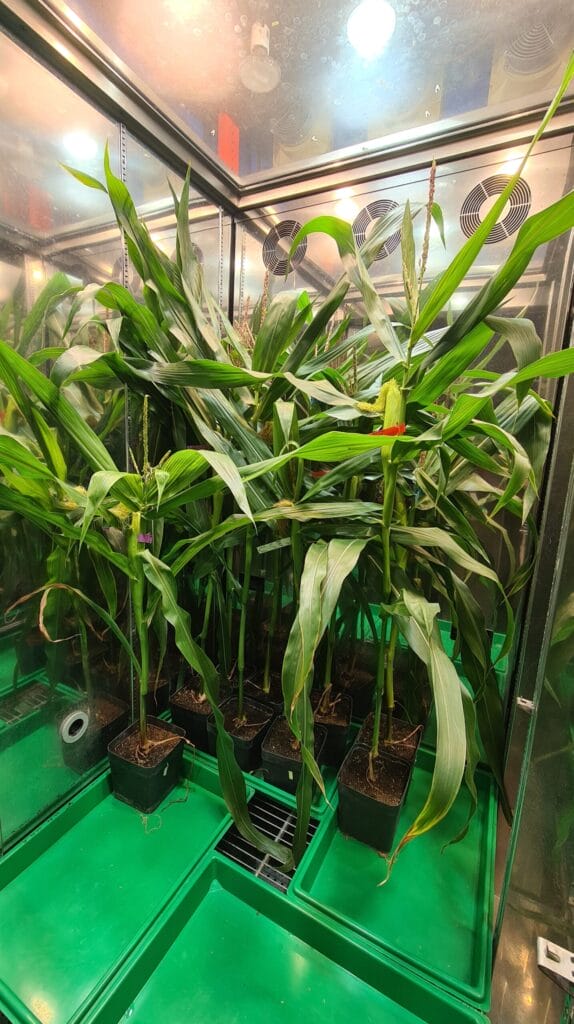
SP2
Investigating the physiological, biochemical, and molecular responses of maize to concurrent biotic and abiotic stresses
SP3
Molecular adaptation to contrasting stress regimes
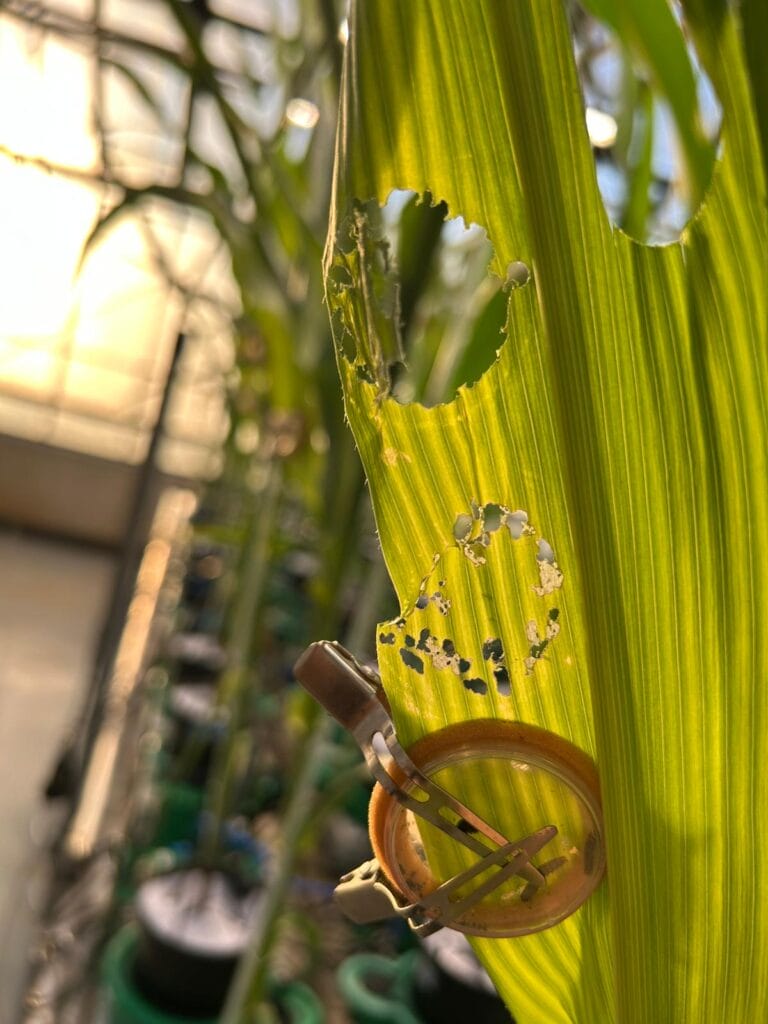
SP4
Combined effects of stem borers and abiotic stresses on maize commercial hybrids
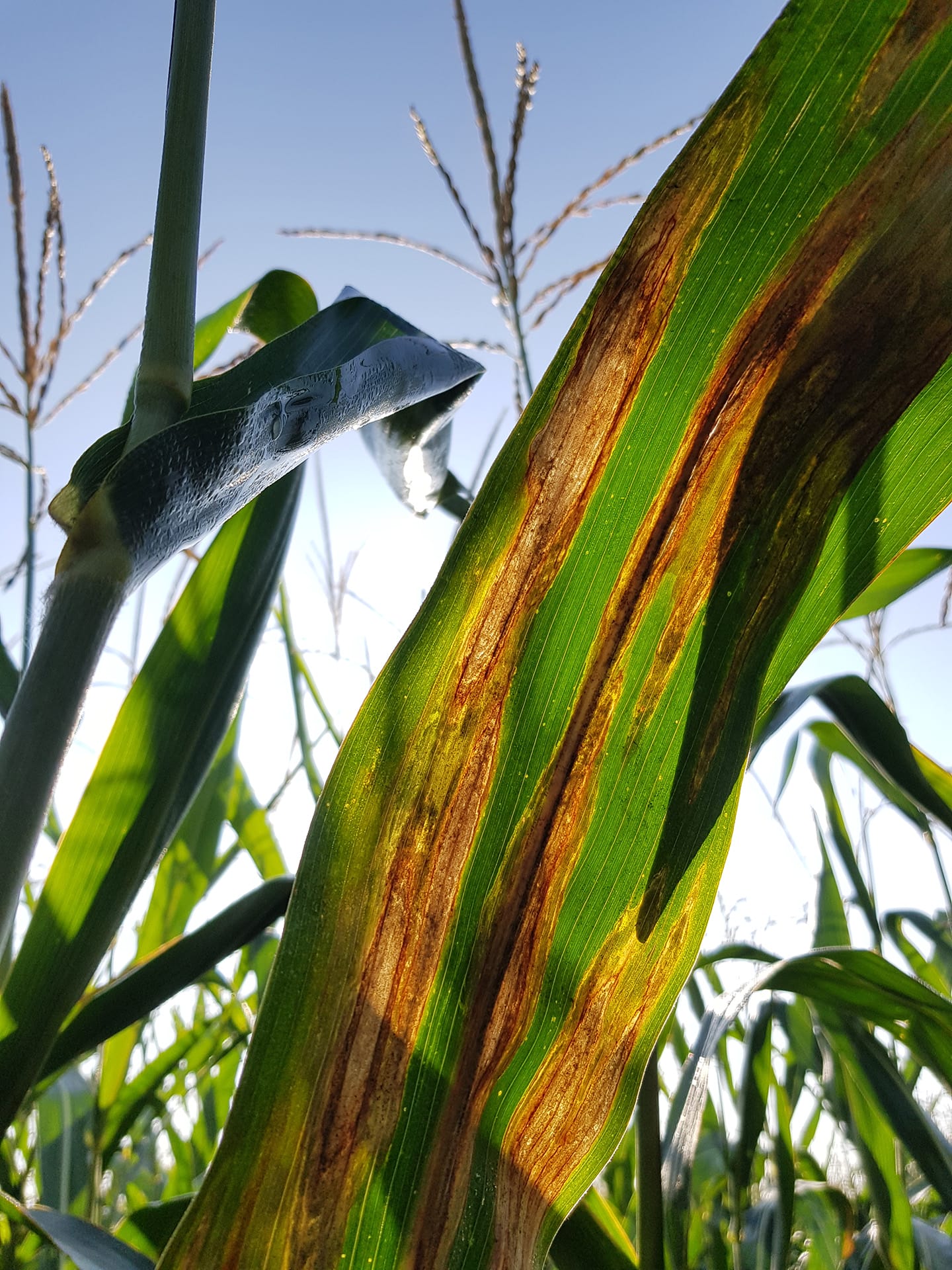
SP5
Combined effects of Setosphaeria turcica and abiotic stresses on
maize genotypes
SP6
Integrating genetics into crop growth models to understand genotype response to combined (abiotic + biotic) stresses & synthesis of modelling

COP – Coordination Project
Strategy, dissemination, and capacity building