MultiStress – Concurrent Multiple Abiotic and Biotic Stress Interactions in Maize: Impacts and Mechanisms
The DFG Research Unit (RU) 6101 investigates the complex interactions of combined abiotic and biotic stress factors in order to secure global food production across temperate and tropical environments. The RU pioneers climate-resilient agriculture through revolutionising the mechanistic understanding of the interactions between abiotic and biotic stress in maize, targeting the field scale. To this end, it integrates knowledge from the genetic to the ecophysiological level, combining field trials, high-throughput multi-omics, and process-based crop modelling.
Understanding the Complexity of Concurrent Stresses
We conduct novel research on concomitant multiple abiotic and biotic stress interactions and their impacts on maize. As advancing global warming increasingly leads to situations of multiple stress in farmers’ fields, this research is highly relevant to prevent massive yield losses and meet the pressing challenges of food security in the face of climate change.
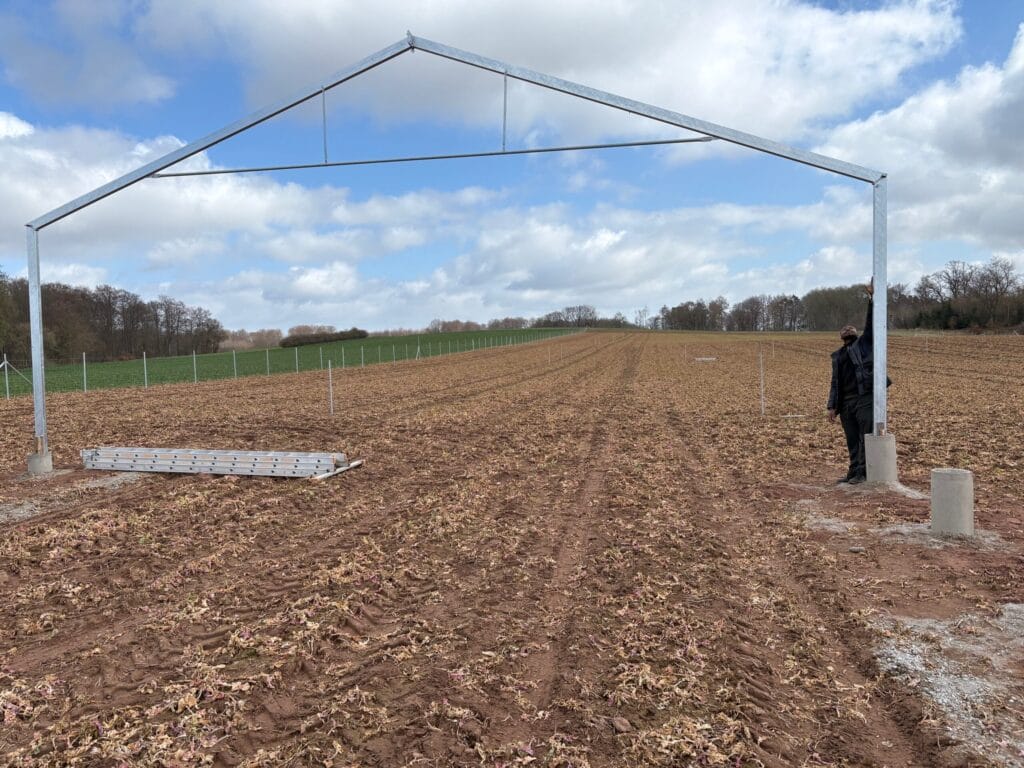
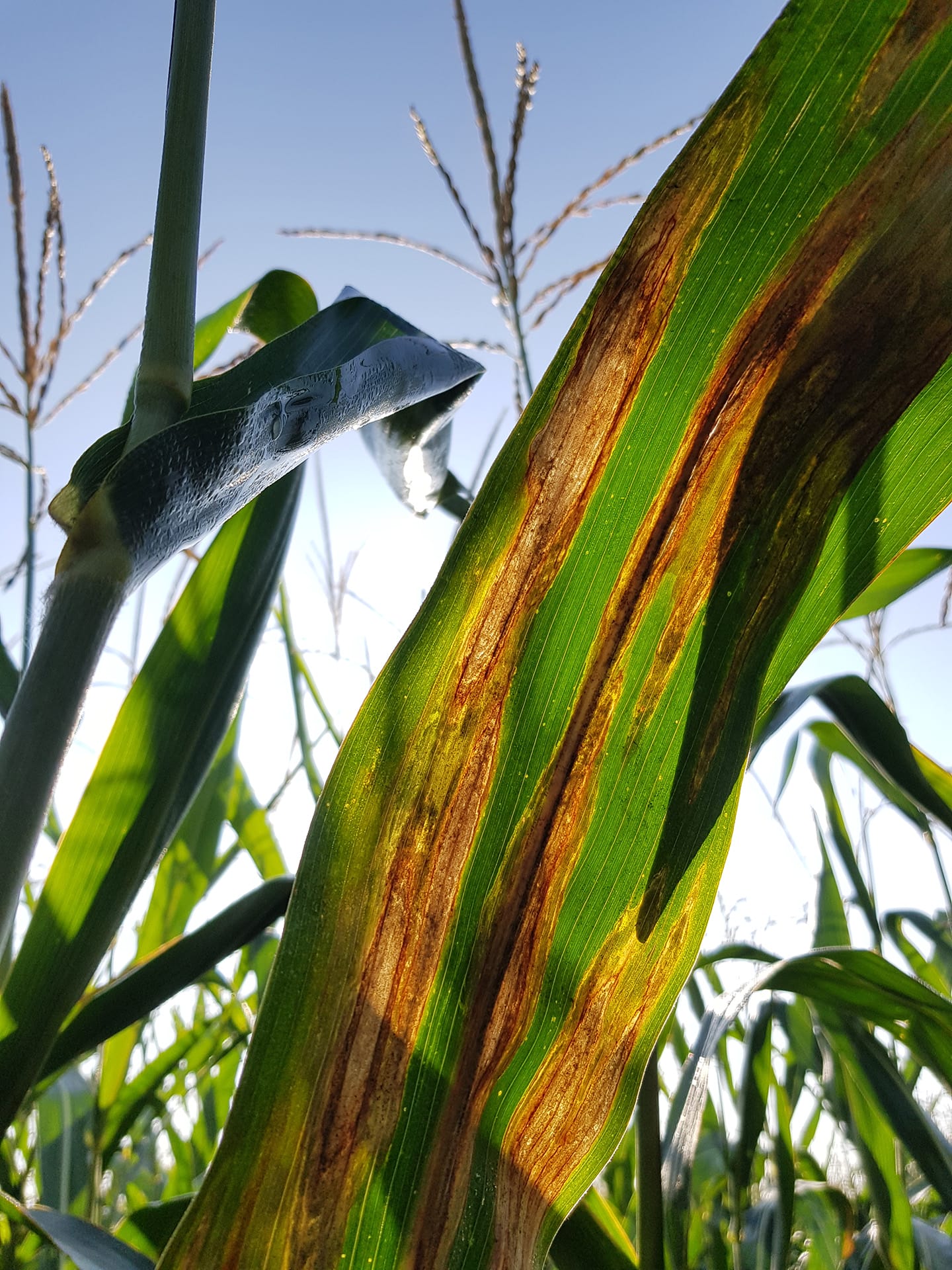
To close key knowledge gaps, we conduct a concerted research effort to investigate how the combined effects of drought and nitrogen deficiency, alongside the foliar disease Setosphaeria turcica and the stem borer, impact the growth, yield, and stover quality of maize under field conditions. To improve our mechanistic/process-based understanding of such interactions at different organisational levels (from the genetic via biochemical to the ecophysiological/field level), we will establish and utilise common field experimental platforms (rain-out shelters (ROUTS)), and, in parallel, conduct satellite experiments under controlled conditions.
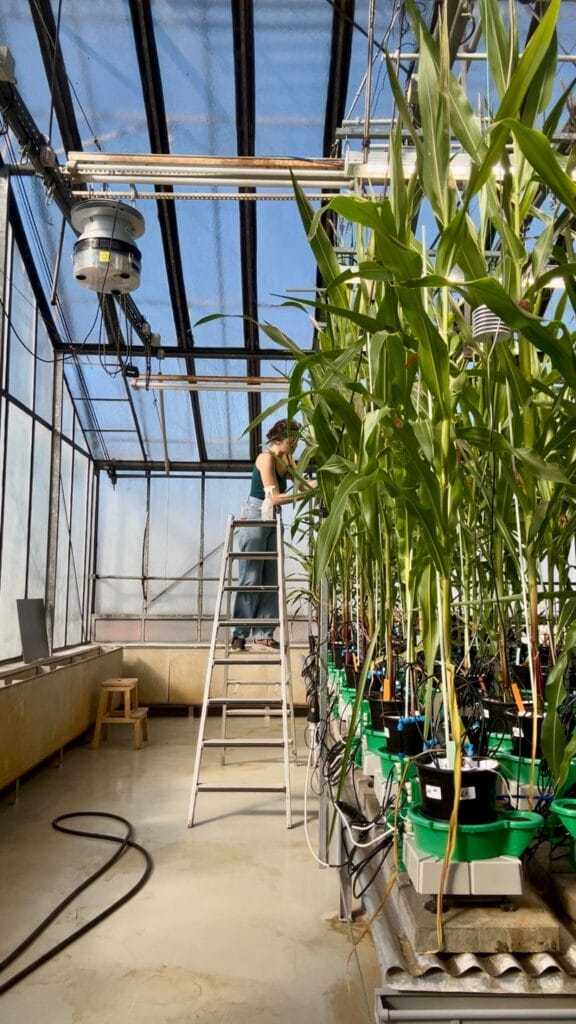
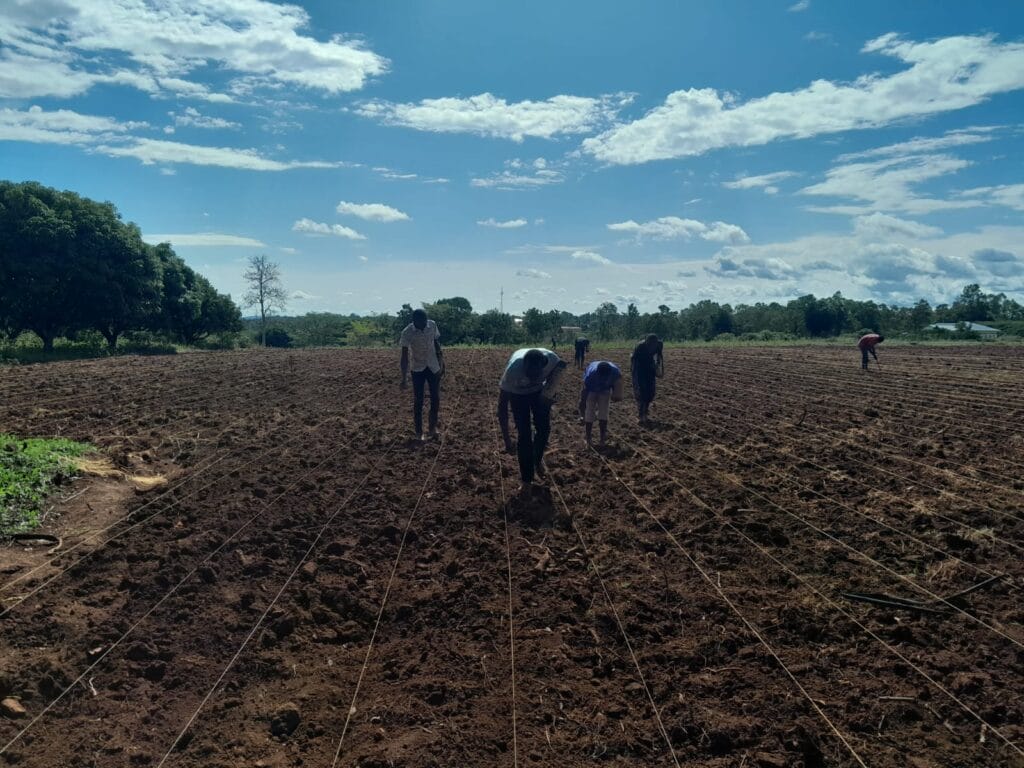
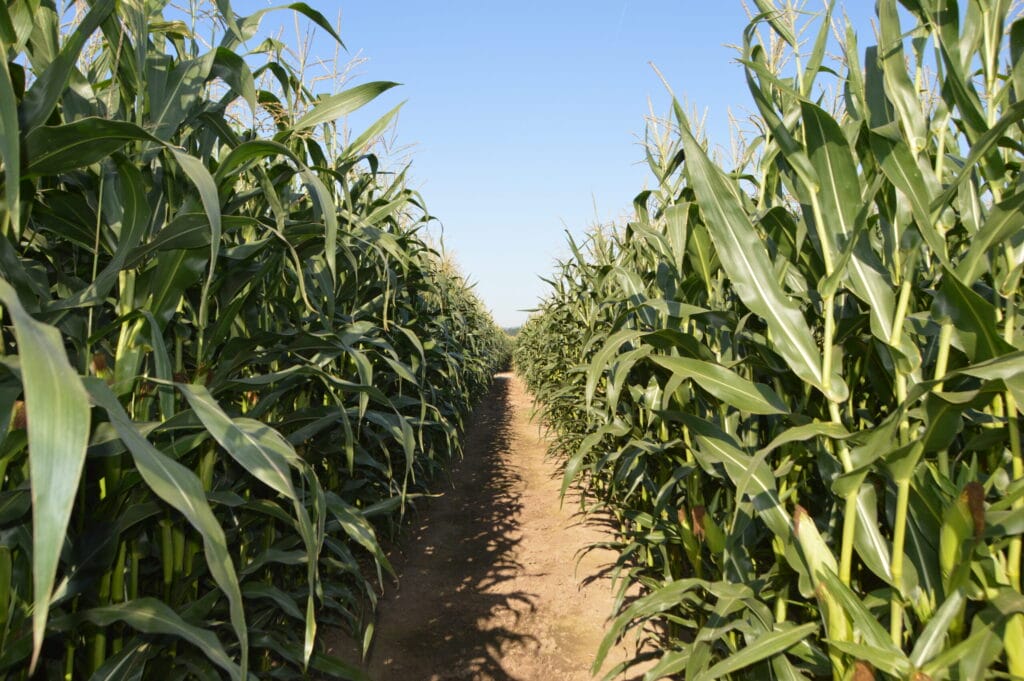
In the Central Experiments (CE), six carefully selected commercial maize hybrid genotypes will be investigated in the ROUTS in Germany (DE) and Kenya (KE) over three field seasons. This enables a comparison of the crop stress responses of maize hybrids from temperate and tropical climate zones under different environmental conditions. These CE experiments will be complemented by diversity screening experiments in the greenhouse and in the field to assess the variability of stress response mechanisms in highly diverse maize populations – using high-throughput transcriptomics as well as metabolomics.
Closely interlinked with these experiments, process-based crop growth simulation modelling forms the second pillar of our research. Crop simulation models enable the integration of new knowledge (obtained at various organisational levels, ranging from the genetic to the ecophysiological/field level) for the crop stand as well as the extrapolation of this knowledge across time and space.
In the RU, the formalisation of our improved interdisciplinary mechanistic/process-based understanding of the interactions between multiple stresses under field conditions enables us to quantify the overall impact of combined (abiotic + biotic) stresses on crop physiology and productivity (grain yield, biomass, grain and stover quality, nutrient/water use efficiency, etc.). This requires that new modelling routines (i.e. formalised knowledge) derived from experiments be incorporated into basic process-based crop simulation models. The resulting MultiStress crop model will be applied to test the Research Unit’s (RU’s) basic hypotheses in silico, and to support the design of further experiments. The newly aquired (formalised) knowledge can be used to explore promising traits for stress-tolerant breeding, which should be considered in the ideotyping of resilient maize cultivars for future target environments – in temperate and tropical zones (as planned for Phase 2 of the RU).
Multi-Stressed Maize

MultiStress Research News
-
Presentation of the New MultiStress Crop Modelling Approach at EGU2026 in Vienna
The MultiStress research unit was represented at the European Geosciences Union (EGU) General Assembly 2026 in Vienna, where Prof. Reimund Rötter presented the new MultiStress…
-
Successful Information Event at Waake Municipality
We are pleased to share a brief update on our engagement with the local community at the research site Waake, where we recently hosted a…
-
Field Infrastructure Development Underway in Germany and Kenya
Exciting progress is being made at our MultiStress field sites in Germany and Kenya as we move closer to the first experimental season! In Waake,…


Upcoming Events
MultiStress In A Nutshell
MultiStress is coordinated by the University of Göttingen. Together with 10 other research institutions, we are improving the understanding of concomitant multiple abiotic and biotic stress interactions and their impacts in tropical and temperate maize at the field scale.











Quick Navigation → MultiStress Research Unit
Discover the central project, coordination project & 6 subprojects

ZP – Central Project
Experimentation, data hub and synthesis of findings
SP1
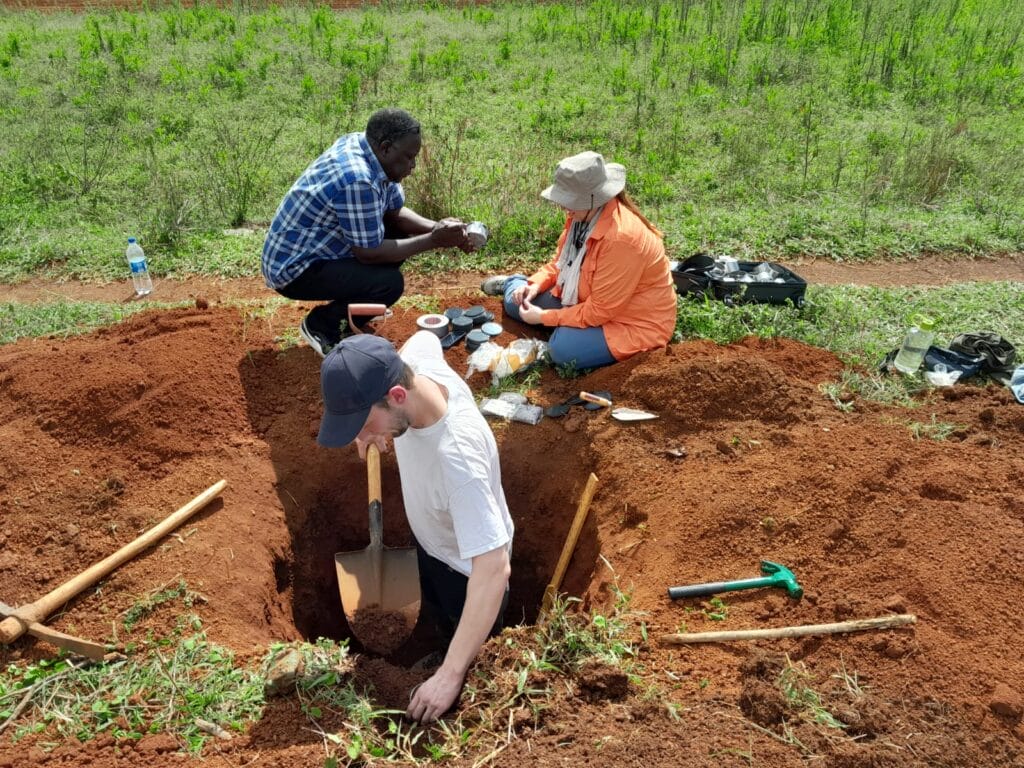
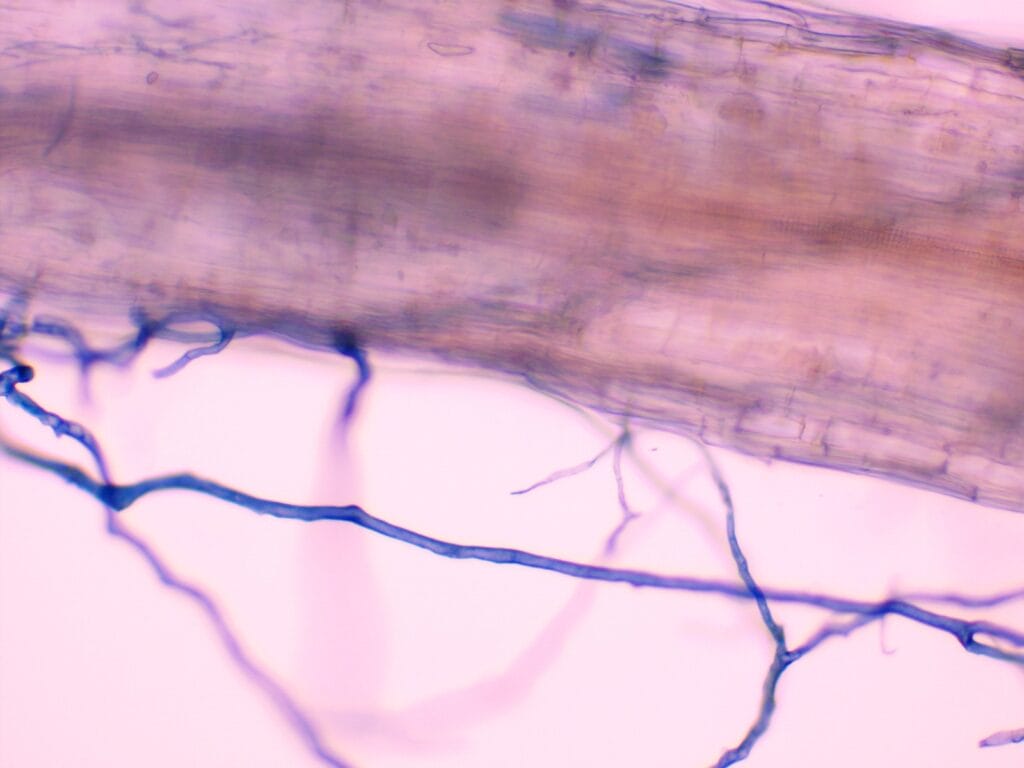
Effect of stress by genotype interactions on above- and belowground carbon allocation, nutrient use efficiency and root-zone processes

SP2
Investigating the physiological, biochemical, and molecular responses of maize to concurrent biotic and abiotic stresses
SP3
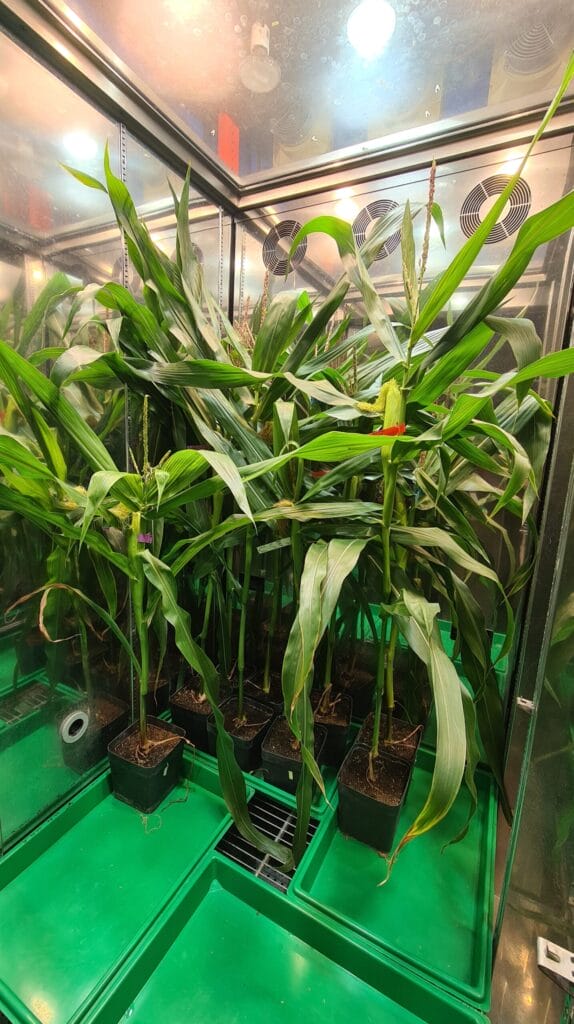
Molecular adaptation to contrasting stress regimes
SP4
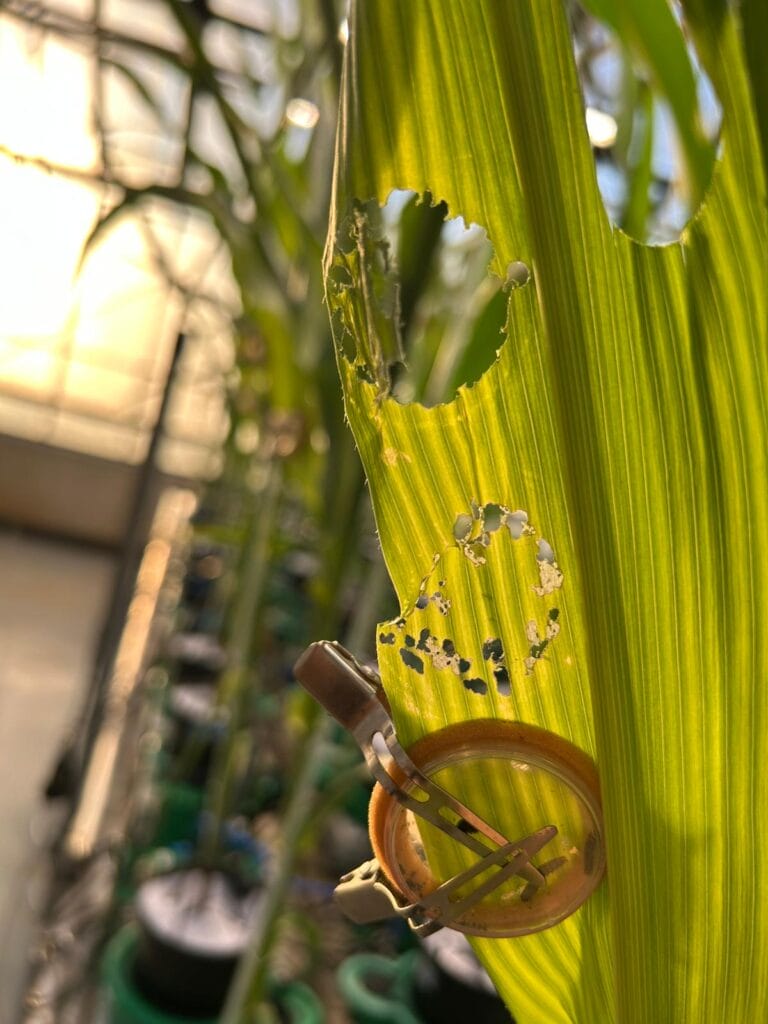
Combined effects of stem borers and abiotic stresses on maize commercial hybrids
SP5
Combined effects of Setosphaeria turcica and abiotic stresses on
maize genotypes
SP6
Integrating genetics into crop growth models to understand genotype response to combined (abiotic + biotic) stresses & synthesis of modelling

COP – Coordination Project
Strategy, dissemination, and capacity building