
SP3: Molecular Adaptation to Contrasting Stress Regimes
SP3 leads the Diversity Screening (DS) efforts, carrying out high-density genotyping and transcriptomic profiling of 600 distinct European and African maize inbred lines. By investigating gene expression plasticity regulated by small RNAs and historical signatures of polygenic adaptation, SP3 uncovers how distinct maize populations have evolved to cope with highly disparate environmental conditions. The genotypic parameters, alleles, and stress-responsive gene networks identified by SP3 form the crucial biological code, which is subsequently integrated into the crop simulation modelling algorithms of SP6.
Project description
Climate change and the evolving agricultural challenges demand the development of resilient crop varieties capable of withstanding multiple abiotic and biotic stressors. Concurrent stress scenarios, such as drought and pathogen pressure, are becoming increasingly common, yet the genetic mechanisms that enable tolerance or resistance under such complex conditions remain poorly understood. This project addresses this knowledge gap by investigating the genetic, transcriptomic, and post-transcriptional regulatory bases of maize response and adaptation to combined environmental stresses.
Our approach integrates historical selection and adaptation with experimental evidence to dissect the molecular underpinnings of stress responses. We will evaluate polygenic signals of selection and adaptation in genetically diverse populations of temperate and tropical maize inbred lines and link these to traits of stress resilience via genome-wide association studies (GWAS). In parallel, the transcriptomic plasticity and variability of the stress response in these inbred line populations will be explored.

Additionally, the six commercial hybrids from the research unit’s central experiment will be used to characterise gene expression regulation in depth under controlled field conditions whilst the plants are subjected to concurrent stress situations. High-throughput sequencing technologies, including 3′-DGE, mRNA-seq, sRNA-seq, and degradome sequencing, will be employed to profile transcriptional responses and uncover regulatory mechanisms. These data and GWAS will help to identify key regulators such as transcription factors and sRNA-target genes, providing insights into how gene expression is modulated to support adaptation and performance under individual and combined stress conditions. In preparation for the intended Phase 2 of this research unit, both datasets will be used, in close collaboration with the crop modelling sub-project (SP6), to define key genetic parameters for the development of integrated biophysical crop modelling approaches . Furthermore, our genetic information will contribute to the selection of experimental hybrids that are optimised for high genetic diversity and contrasting stress responses, in order to broaden the range of identifiable stress-related mechanisms.
Research Team SP3

Prof. Scholten, PI
Crop Plant
Genetics

Prof. Stetter, PI
Ecology and Genomics UoC
Dr. Bulli, CoPa
JOOUST
Dr. Magwanga, CoPa
JOOUST

Kingsley Ibeabuchi, PhD
Crop Plant
Genetics

Cedric Köhler, PhD
Ecology and Genomics UoC

tbd, TA
Crop Plant
Genetics
Quick Navigation → MultiStress Research Unit
Discover the central project, coordination project & 6 subprojects

ZP – Central Project
Experimentation, data hub and synthesis of findings
SP1
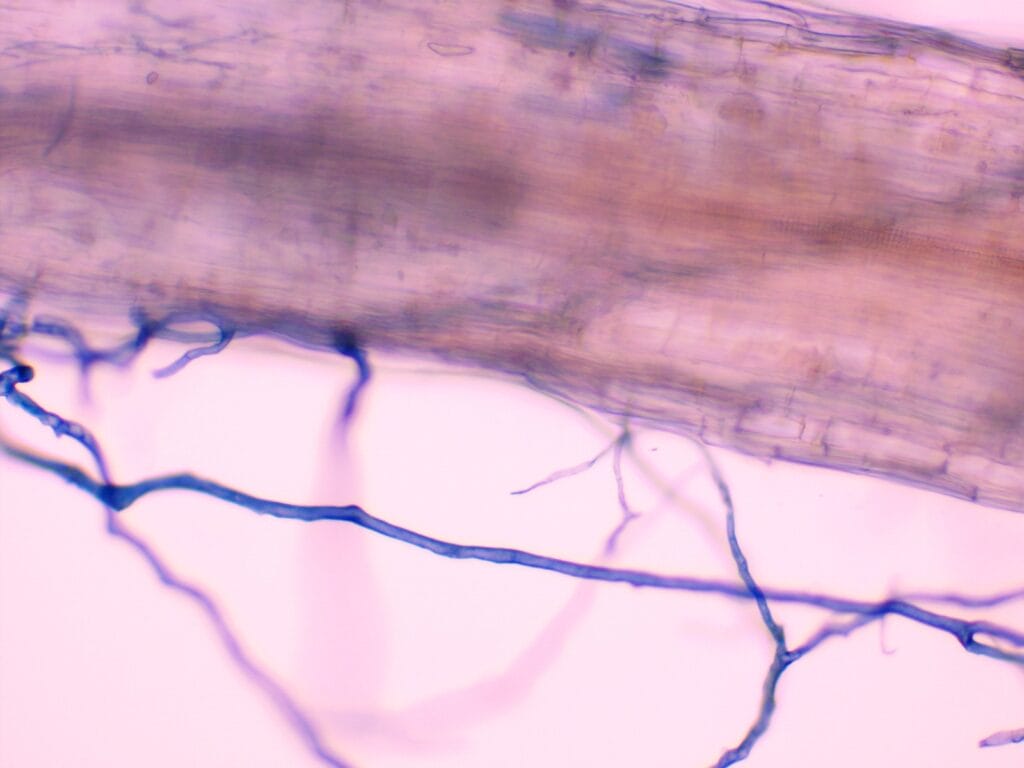
Effect of stress by genotype interactions on above- and belowground carbon allocation, nutrient use efficiency and root-zone processes
SP2
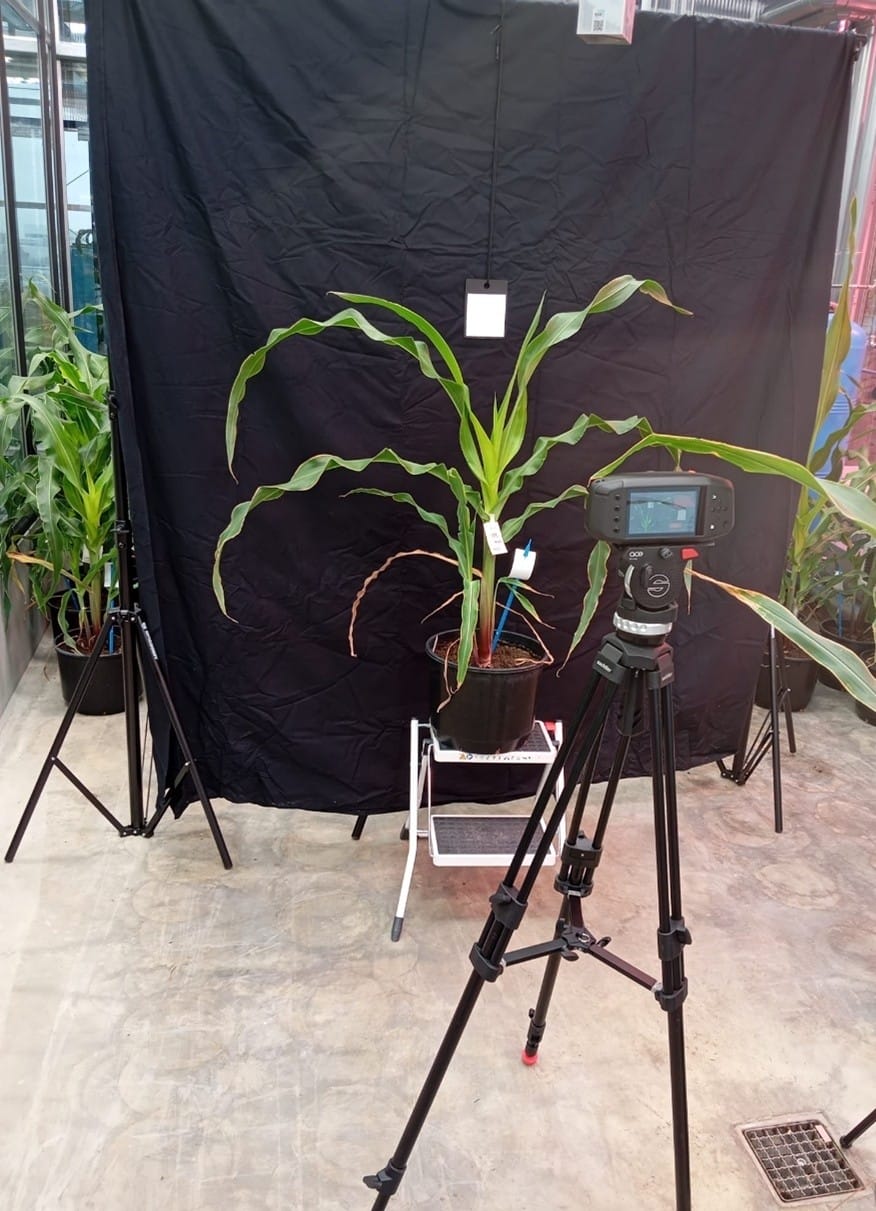
Investigating the physiological, biochemical, and molecular responses of maize to concurrent biotic and abiotic stresses
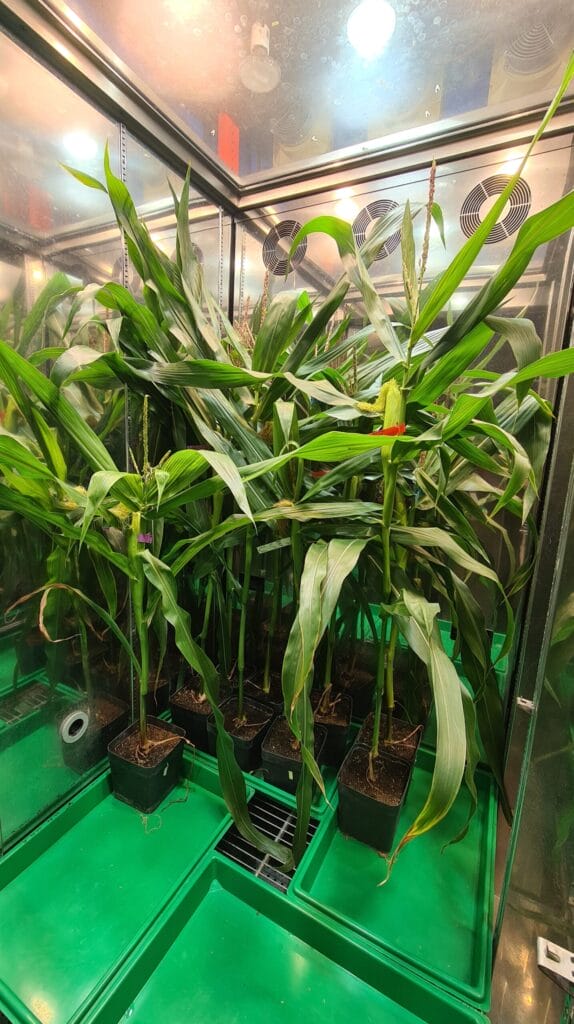
SP3
Molecular adaptation to contrasting stress regimes
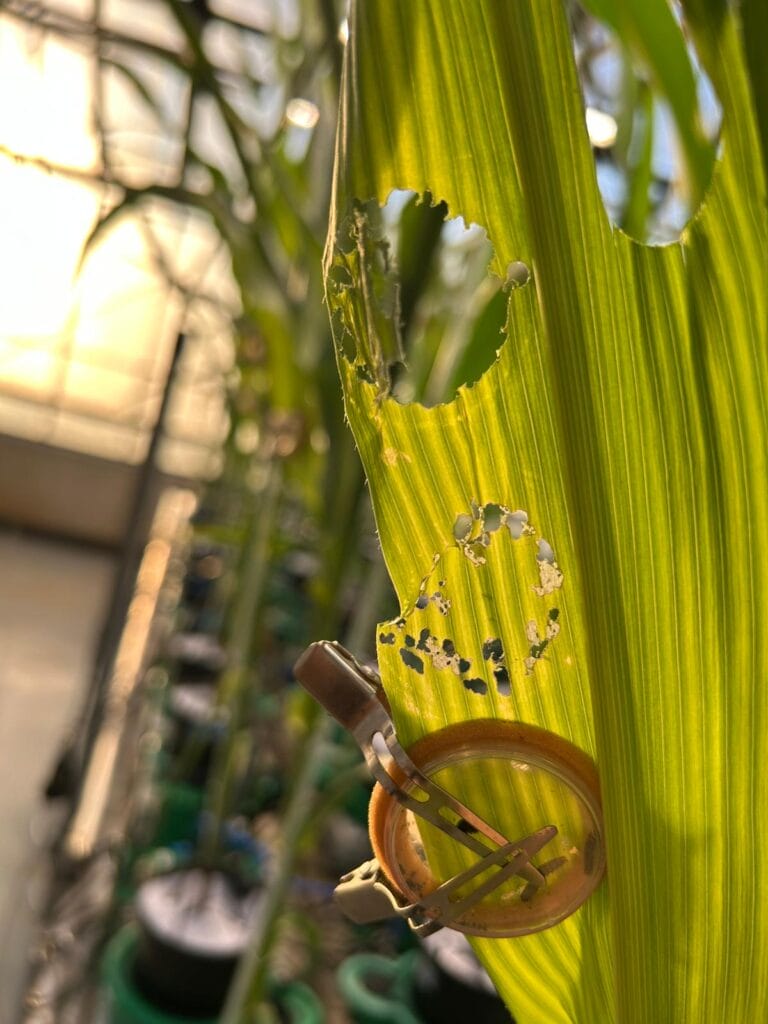
SP4
Combined effects of stem borers and abiotic stresses on maize commercial hybrids
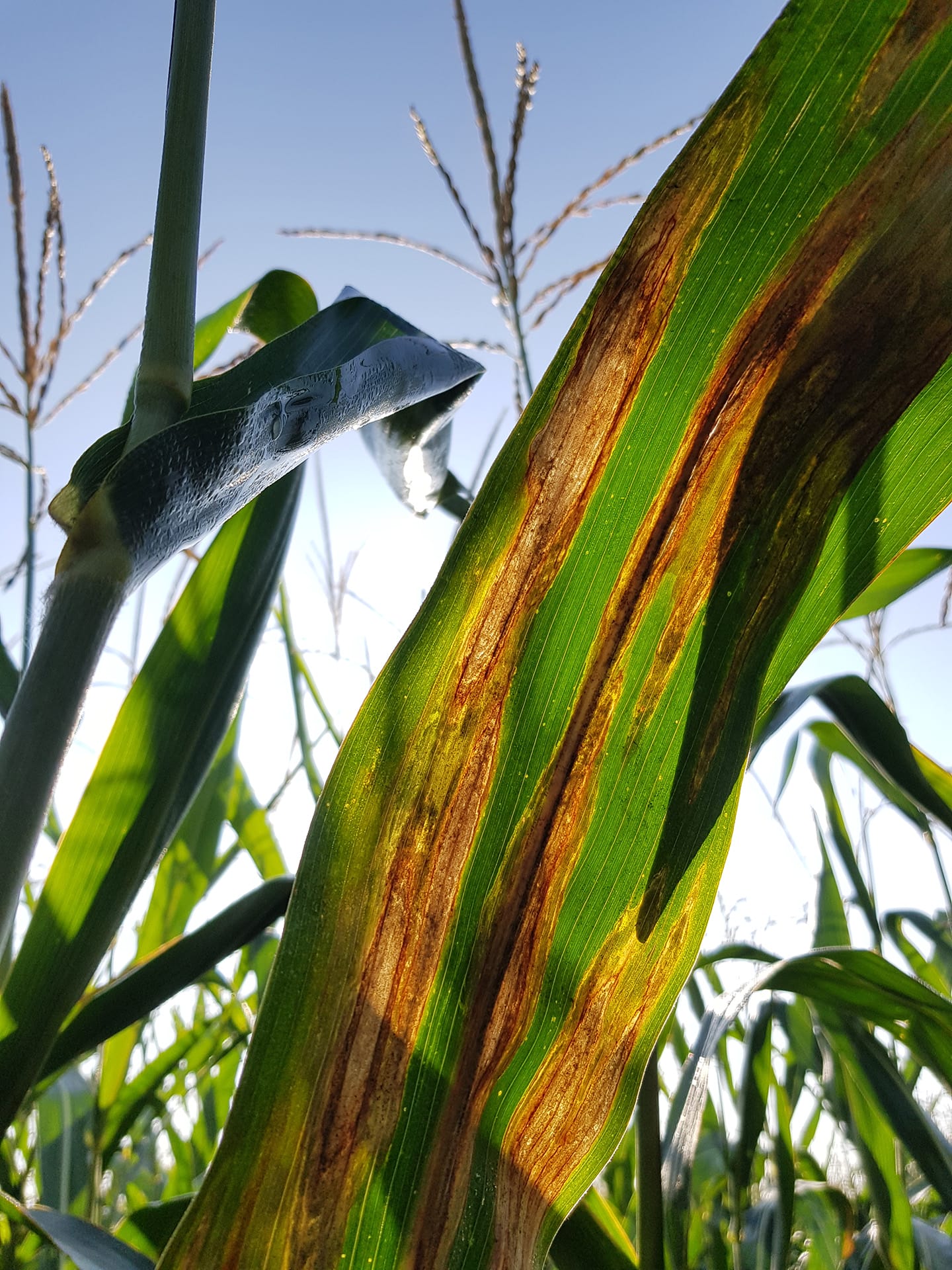
SP5
Combined effects of Setosphaeria turcica and abiotic stresses on
maize genotypes
SP6
Integrating genetics into crop growth models to understand genotype response to combined (abiotic + biotic) stresses & synthesis of modelling

COP – Coordination Project
Strategy, dissemination, and capacity building