
SP6: Integrating Genetics into Crop Growth Models to Understand Genotype Response to Combined Stresses & Synthesis of Modelling
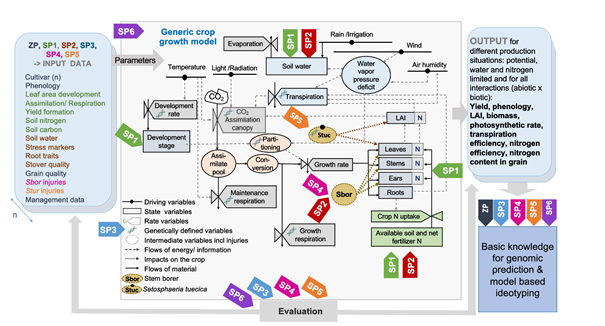
SP6 develops a novel process-based crop model — the MultiStress model — that simulates how different maize genotypes perform under combined abiotic and biotic stresses. By linking genetic information (e.g. QTLs) to ecophysiological model parameters, SP6 aims to bridge the gap between genomics and field-scale crop prediction, enabling in silico evaluation of genotype × environment interactions under climate change scenarios.
Project description
Main research questions:
SP6 addresses the central question: How can genetic information be integrated into crop growth models to predict genotype-specific responses to combined abiotic (drought, nitrogen deficiency) and biotic (stem borer herbivory, Setosphaeria turcica foliar disease) stresses in maize? Starting from the chosen base crop model SSM-iCrop, SP6 will build a new MultiStress crop model by incorporating biotic stress routines developed in SP4 and SP5, and linking QTLs /other data on the genetic make-up of genotypes from SP3 to ecophysiological crop parameters.
Methods applied:
Process-based crop growth simulation, model sensitivity analysis, QTL-to-parameter mapping, and multi-environment crop model calibration/validation using 12 commercial maize hybrids (6 tropical, 6 temperate) grown across the Research Unit’s (RU’s) Central Experiment.
Expected outcomes:
- A validated crop modelling platform that simulates yield under multiple interacting stressors,
- demonstrated proof-of-concept for QTL-informed parameterisation or alternative parameterisation methods, beyond phenology,
- simulation-based testing of the RU’s core hypotheses on non-additive stress interactions and impact severity differences between tropical and temperate environments, and
- ex ante identification of promising genetic trait combinations and environmental stress scenarios to guide the experimental design of the RU’s Phase 2.
- SP6 thus provides the integrative modelling synthesis framework that jointly with ZP connects all other subprojects of the RU.
Research Team SP6: Synthesis of modelling & integration of genetics

Prof. Rötter, PI
TROPAGS

Dr. Hoffmann, PI
TROPAGS

Prof. Siebert, PI
Agronomy

Dr. Ur Rahman, CoPI
TROPAGS

Prof. Confalonieri, CoPa
UNIMI

Dr. Paleari, CoPa
UNIMI

Dr. Tesfaye, CoPa
AGRA

Dr. Fasil, CoPa
CIMMYT

Dr. Magwanga, CoPa
JOOUST

Dr. Adam, Postdoc
TROPAGS

Dr. Bayatian, Postdoc
Agronomy

Mugarura, PhD
TROPAGS

Adera, PhD
Plant Pathology
Quick Navigation → MultiStress Research Unit
Discover the central project, coordination project & 6 subprojects

ZP – Central Project
Experimentation, data hub and synthesis of findings
SP1
Effect of stress by genotype interactions on above- and belowground carbon allocation, nutrient use efficiency and root-zone processes
SP2
Investigating the physiological, biochemical, and molecular responses of maize to concurrent biotic and abiotic stresses
SP3
Molecular adaptation to contrasting stress regimes
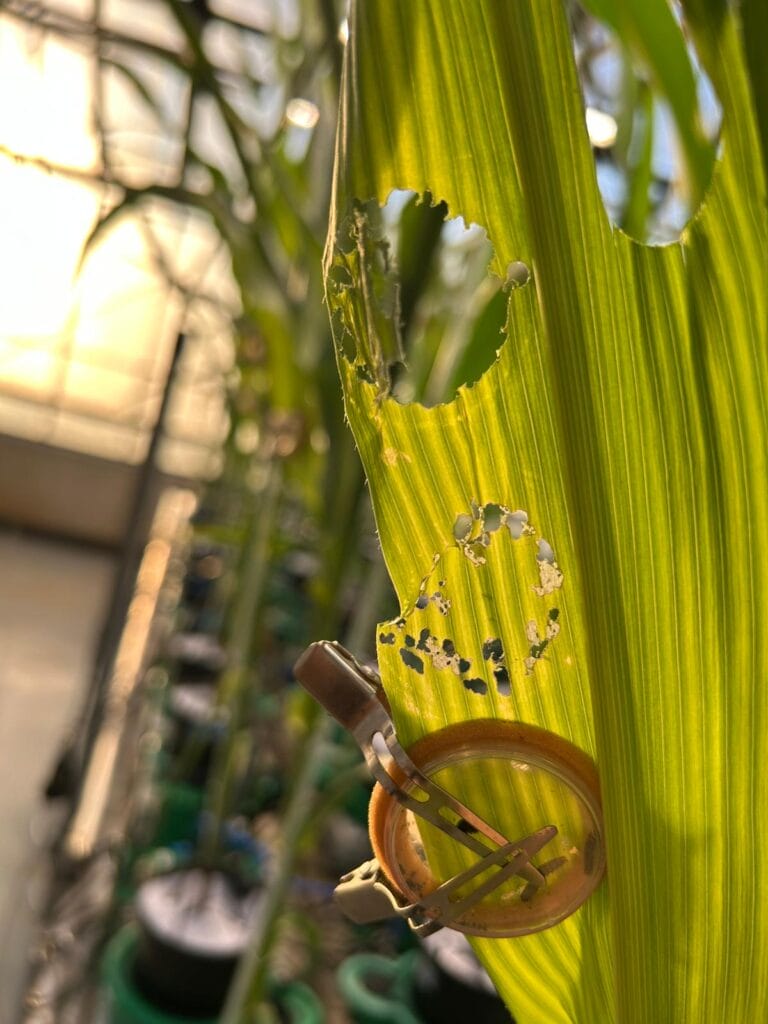
SP4
Combined effects of stem borers and abiotic stresses on maize commercial hybrids
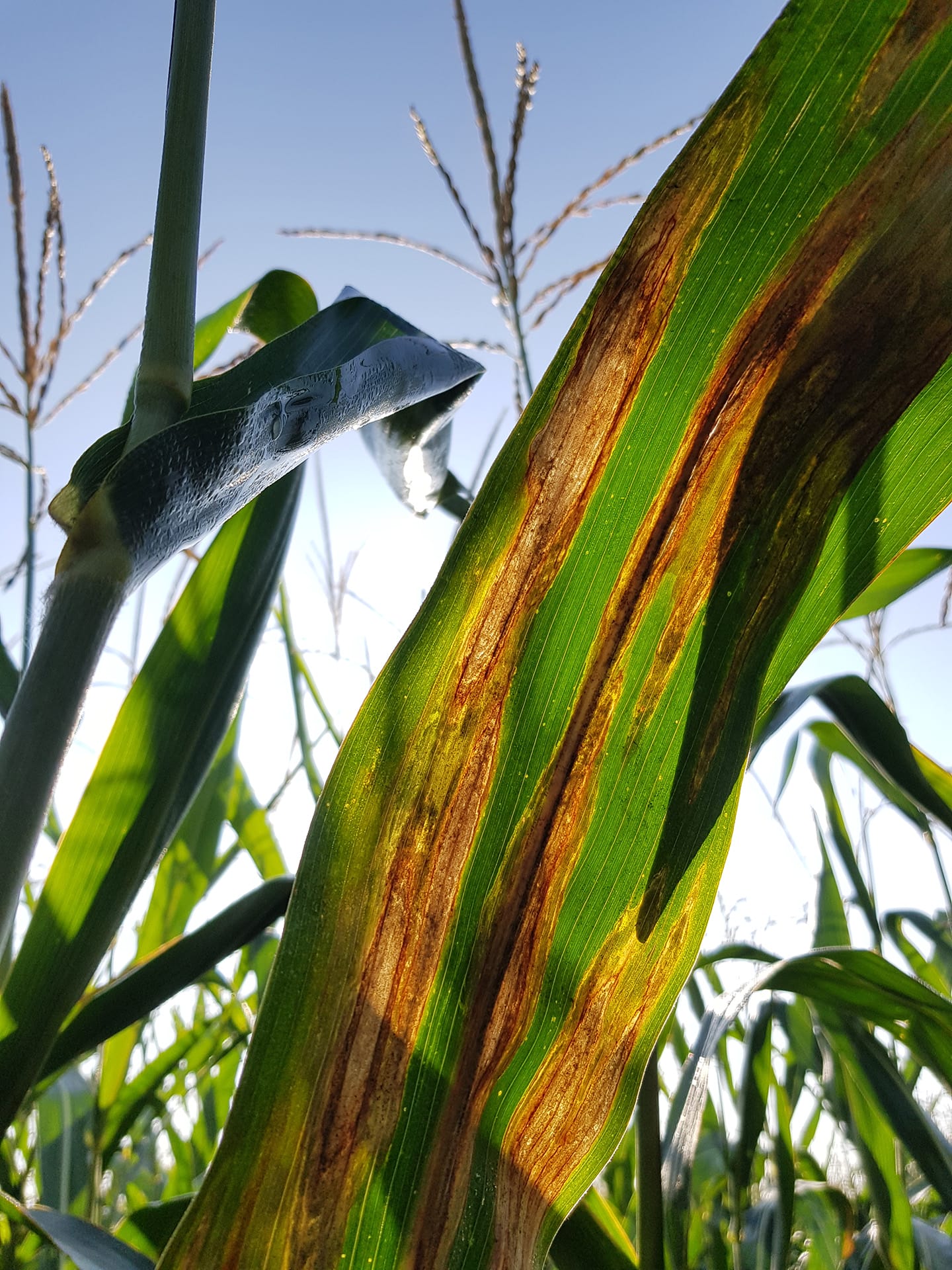
SP5
Combined effects of Setosphaeria turcica and abiotic stresses on
maize genotypes
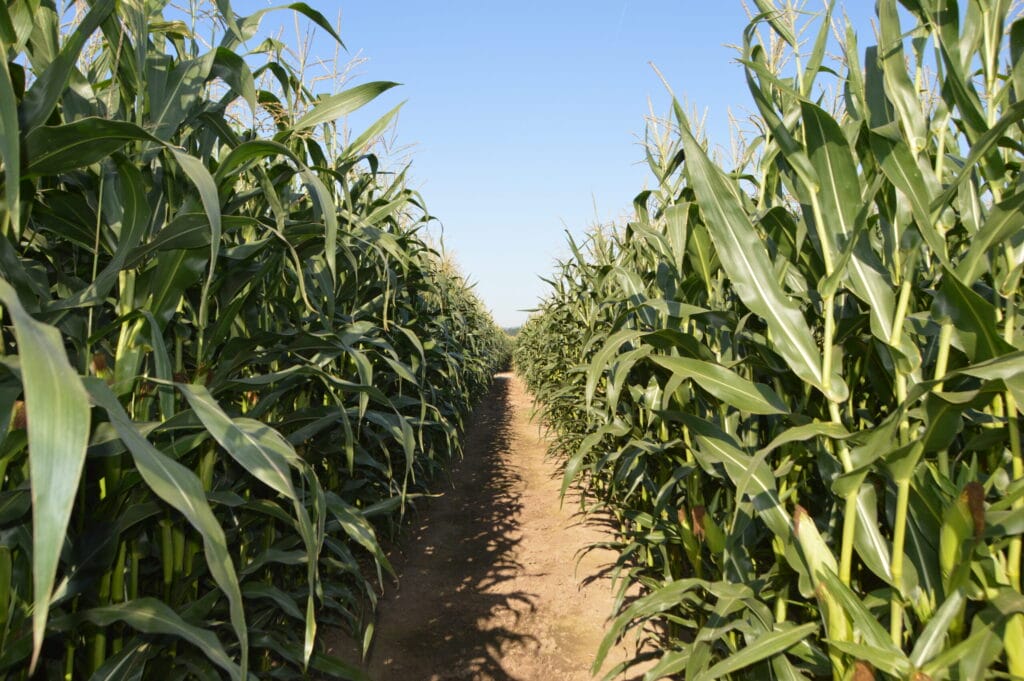
SP6
Integrating genetics into crop growth models to understand genotype response to combined (abiotic + biotic) stresses & synthesis of modelling

COP – Coordination Project
Strategy, dissemination, and capacity building