
SP6: Integration von Genetik in Pflanzenwachstumsmodelle zur Analyse genotypspezifischer Reaktionen auf kombinierte Stressfaktoren & Modellsynthese
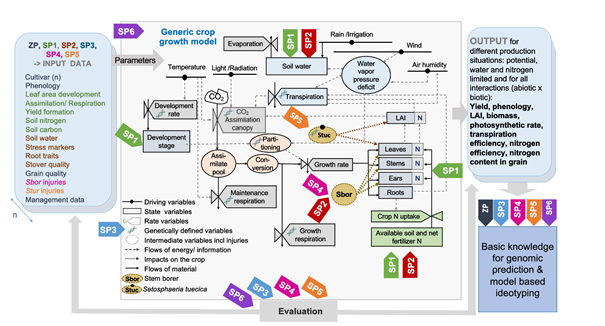
SP6 entwickelt ein neuartiges prozessbasiertes Pflanzenwachstumsmodell – das MultiStress-Modell – das die Fähigkeit besitzt, zu simulieren, wie kombinierte abiotischen und biotische Stressfaktoren interagieren, und zu welchen Ertragsverlusten dies bei unterschiedlichen Maishybriden führt. Durch die Verknüpfung genetischer Informationen (QTLs) mit öko-physiologischen Modellparametern schließt SP6 die Lücke zwischen Genomik und der Simulation von Wachstumsprozessen und Ertrag, und ermöglicht damit in silico die Quantifizierung von spezifischen Genotyp × Umwelt-Interaktionen unter unterschiedlichen Klimaszenarien.
Projektbeschreibung
Zentrale Forschungsfragen:
SP6 behandelt die zentrale Frage, wie genetische Informationen in Pflanzenwachstumsmodelle integriert werden können. Das Ziel dieser Integration ist, genotypspezifische Reaktionen (z.B. verminderte Wachstumsrate, Ertrag, etc.) von Mais auf kombinierte abiotische (Trockenheit, Stickstoffmangel) und biotische (Stängelbohrerfraß, Blattkrankheit durch Setosphaeria turcica) Stressfaktoren vorhersagen zu können. Ausgehend von dem bestehenden Pflanzenwachstumsmodell SSM-iCrop entwickelt SP6 ein neues MultiStress-Pflanzenwachstumsmodell, indem biotische Stress-Routinen aus SP4 und SP5 integriert und QTL-Daten aus SP3 mit ökophysiologischen Modellparametern verknüpft werden.
Angewandte Methoden:
Prozessbasierte Pflanzenwachstumssimulation, Sensitivitätsanalyse des Modells, QTL-zu-Parameter-Mapping, sowie Kalibrierung und Validierung anhand mehrjähriger Versuchsdaten und unterschiedlichen Standorten für insgesamt 12 kommerzielle Maishybride (6 tropische, 6 gemäßigte), die in 3-jährigen zentralen Feldexperimenten der Forschungsgruppe (FOR) in Kenia und Deutschland untersucht werden.
Erwartete Ergebnisse:
- Eine validierte Modellierungsplattform, die Erträge unter mehreren interagierenden Stressfaktoren mit der geforderten Genauigkeit simulieren/reproduzieren kann,
- ein nachgewiesener Proof-of-Concept für eine QTL-basierte Parametrisierung der Genotypen, die über phänologische Parameter hinausgeht,
- Überprüfung der zentralen Hypothesen der FOR basierend auf Simulationen mit neu-entwickeltem MultiStress-Modell: Haben die multiplen Stressinteraktionen nicht-additive Effekte auf Pflanzenwachstum und -ertrag und bestehen Unterschiede in der Schadensintensität unter tropischen und gemäßigten Umweltbedingungen?
- Eine ex ante-Identifikation vielversprechender genetischer Merkmalskombinationen und Umweltstressszenarien zur Unterstützung des experimentellen Designs der geplanten Phase 2 der Forschungsgruppe.
- Basierend auf den zuvor genannten Teilergebnissen kann SP6 den integrativen Syntheserahmen bereitstellen, der alle Teilprojekte der FOR miteinander verbindet.
Forschungsteam SP6: Modellsynthese und Integration genetischer Information

Prof. Rötter, PI
TROPAGS

Dr. Hoffmann, PI
TROPAGS

Prof. Siebert, PI
Agronomie

Dr. Ur Rahman, CoPI
TROPAGS

Prof. Confalonieri, CoPa
UNIMI

Dr. Paleari, CoPa
UNIMI

Dr. Tesfaye, CoPa
AGRA

Dr. Fasil, CoPa
CIMMYT

Dr. Magwanga, CoPa
JOOUST

Dr. Adam, Postdoc
TROPAGS

Dr. Bayatian, Postdoc
Agronomie

Mugarura, PhD
TROPAGS

Adera, PhD
Pflanzenpathologie
Schnellnavigation → MultiStress Forschungsverbund (FOR 6101)
Machen Sie sich vertraut mit dem Zentralen Projekt, dem Koordinationsprojekt und den 6 Teilprojekten.

ZP – Zentrales Projekt
Experimente, Datenhub und Synthese der Ergebnisse
SP1
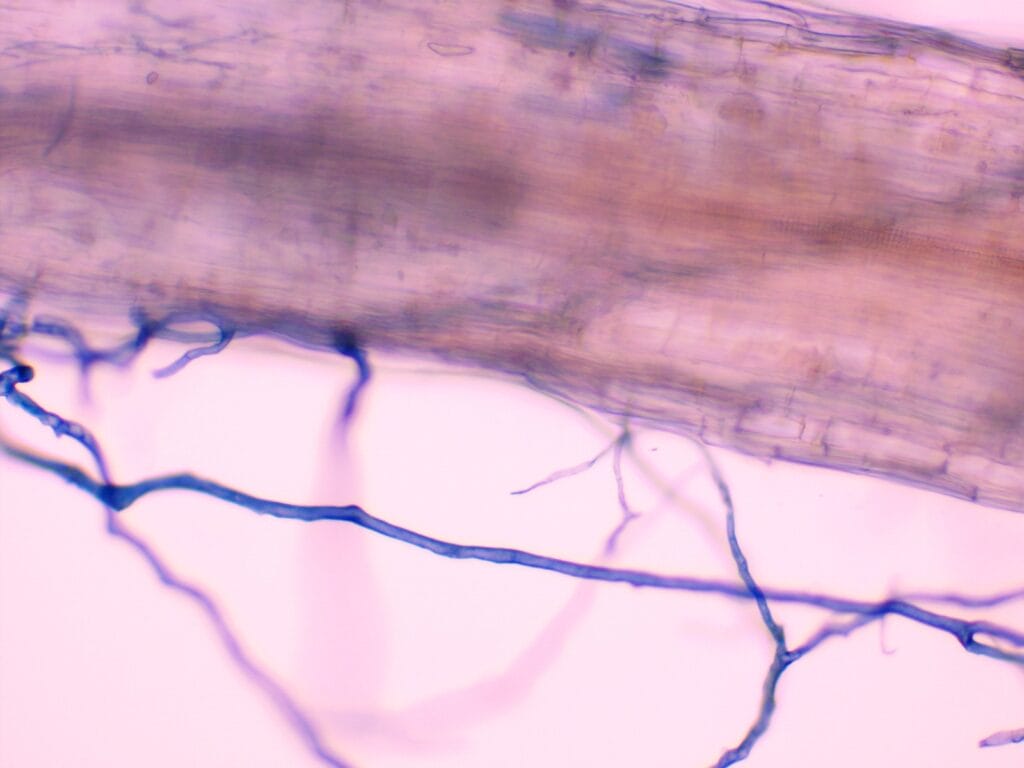
Auswirkungen von Stress-Genotyp-Interaktionen auf die ober- und unterirdische Kohlenstoffallokation, die Nährstoffnutzungseffizienz und Prozesse in der Wurzeltiefe
SP2
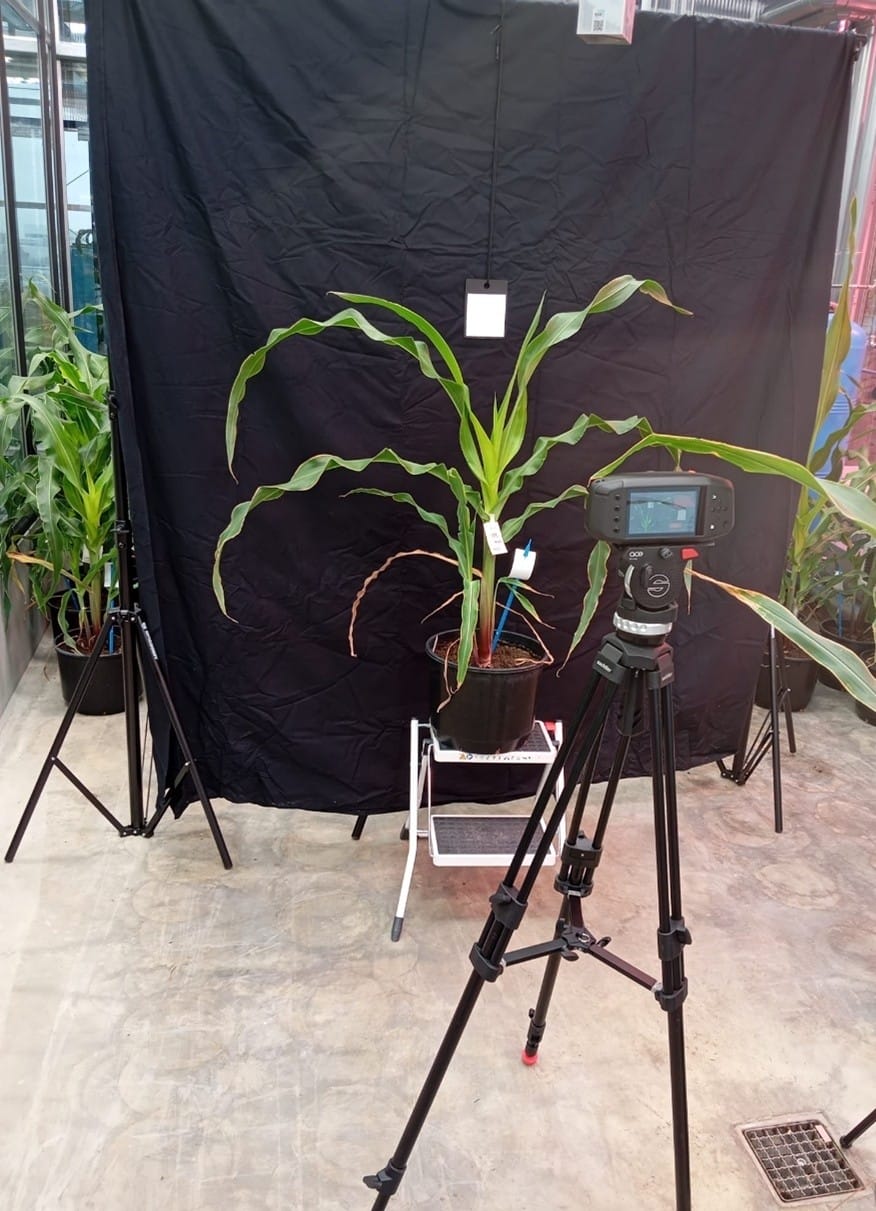
Untersuchung der physiologischen, biochemischen und molekularen Reaktionen von Mais auf gleichzeitige biotische und abiotische Stressfaktoren
SP3
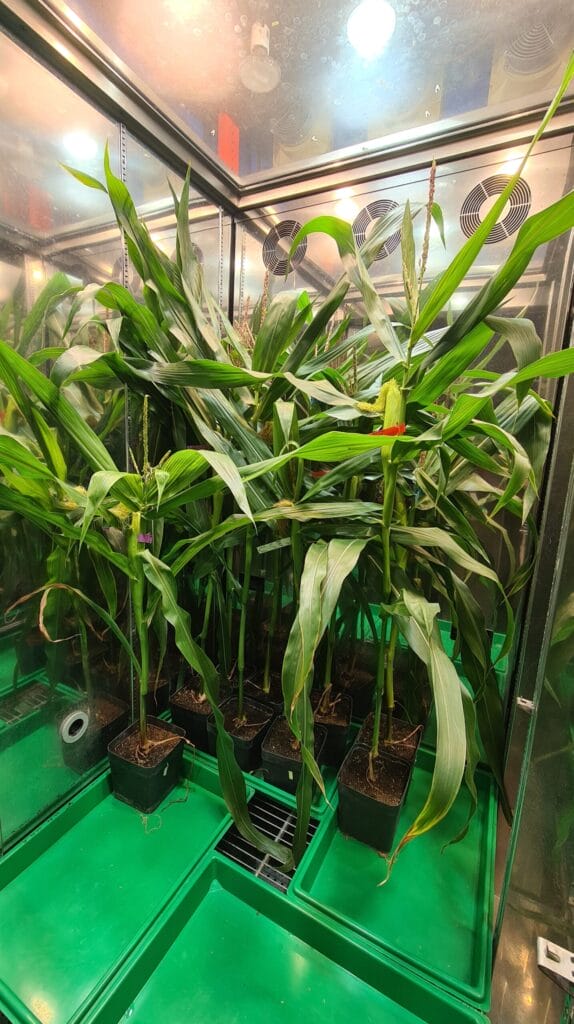
Molekulare Anpassung an kontrastierende Stressregime
SP4
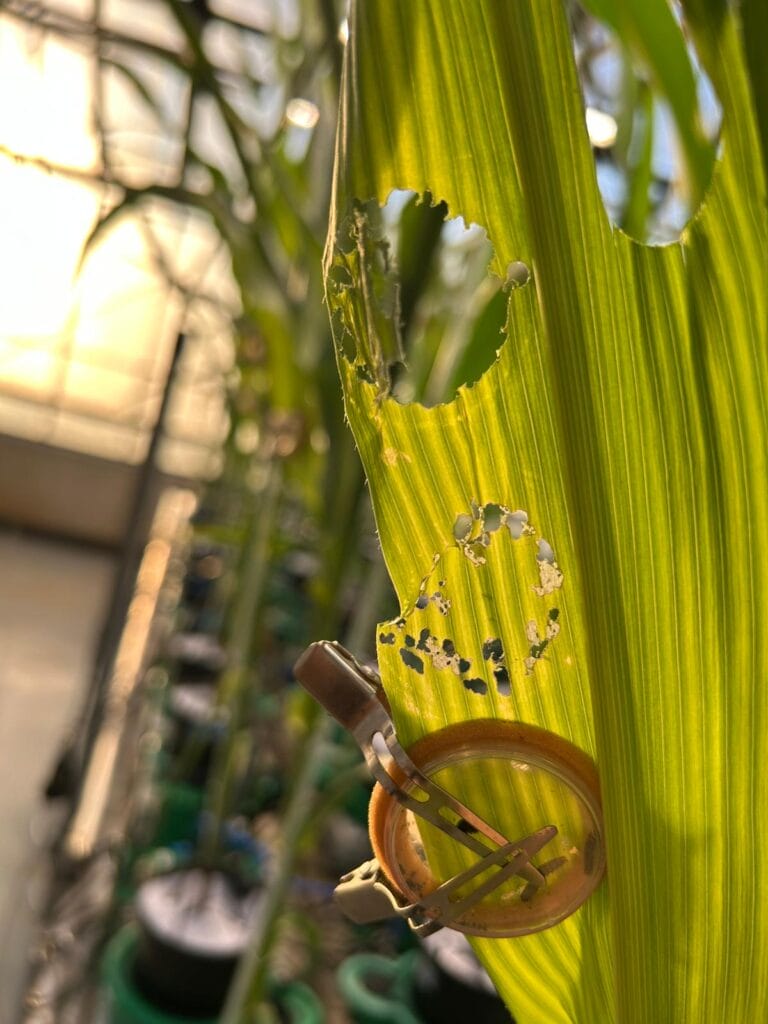
Kombinierte Auswirkungen von Stängelbohrern und abiotischen Stressfaktoren auf kommerzielle Maishybride
SP5
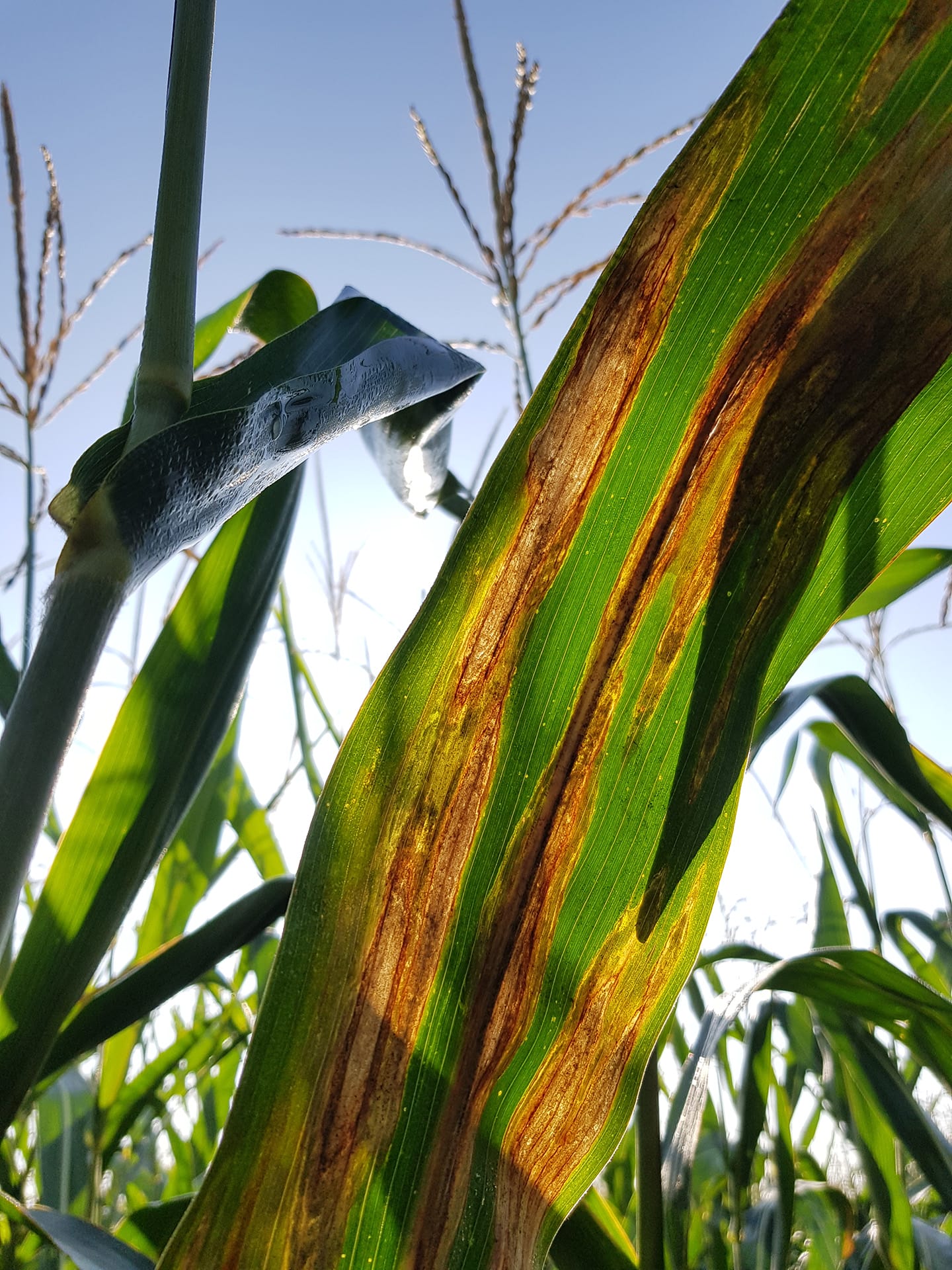
Kombinierte Effekte von Setosphaeria turcica und abiotischen Stressfaktoren auf Maisgenotypen
SP6
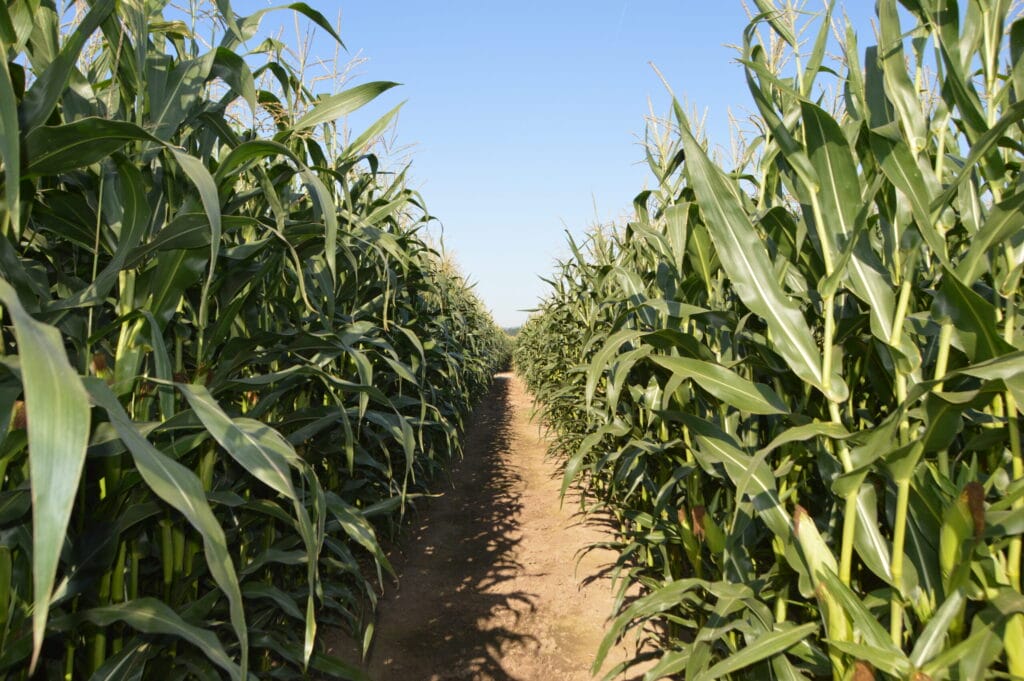
Integration der Genetik in Pflanzenwachstumsmodelle zum Verständnis der Genotyp-Reaktion auf kombinierte (abiotische + biotische) Stressfaktoren und Modellsynthese

COP – Koordinationsprojekt
Strategie, Dissemination und Kapazitätsaufbau