
Zentrales Projekt (ZP): Design und Implementierung von Experimenten, Datenhub und Synthese der Ergebnisse
The central project (ZP) operates through six interconnected work packages that are fundamental to the success of the Research Unit. Overall, the ZP will continuously integrate findings from experiments and crop growth modelling through collaboration across all its work packages, especially through is WP6, and in close collaboration with SP6, drawing on the data and insights from all other SPs. This iterative process will culminate in several joint overarching key publications across SP boundaries.
Zentrales Projekt – Detaillierte Beschreibung
Das ZP besteht aus sechs Arbeitspaketen, die jeweils darauf ausgerichtet sind, alle anderen Teilprojekte der Forschungsgruppe zu unterstützen:
- WP1 liefert das experimentelle Design, sowie Unterstützung bei der statistischen Auswertung aller Felddaten der Zentralexperimente (CE) und der Diversitäts-Screeningexperimente (DS).
- WP2 und WP3 koordinieren und synchronisieren die zentralen Experimente in Deutschland und Kenia. Sie stellen die standardisierten experimentellen Plattformen für die Nutzung durch alle Teilprojekte bereit.
- WP4 führt eine 2-jährige Evaluation der im Gewächshaus (in DS a) entwickelten experimentellen Hybride im Feld (DS b) durch – in unmittelbarer Nachbarschaft zu den Zentralexperimenten unter Trockenhäusern.
- WP5 führt zielgerichtete und nichtzielgerichtete Metabolomik durch und liefert damit zentrale biochemische Daten, die genetische Informationen mit der Leistungsfähigkeit bzw. Ökophysiologie der Maishybride auf Feldebene verknüpfen.
- WP6 implementiert einen umfassenden Datenmanagementplan und etabliert klare Verfahren sowie Rahmenbedingungen für die Datenerhebung, -verarbeitung, -speicherung, und Datenaustausch.
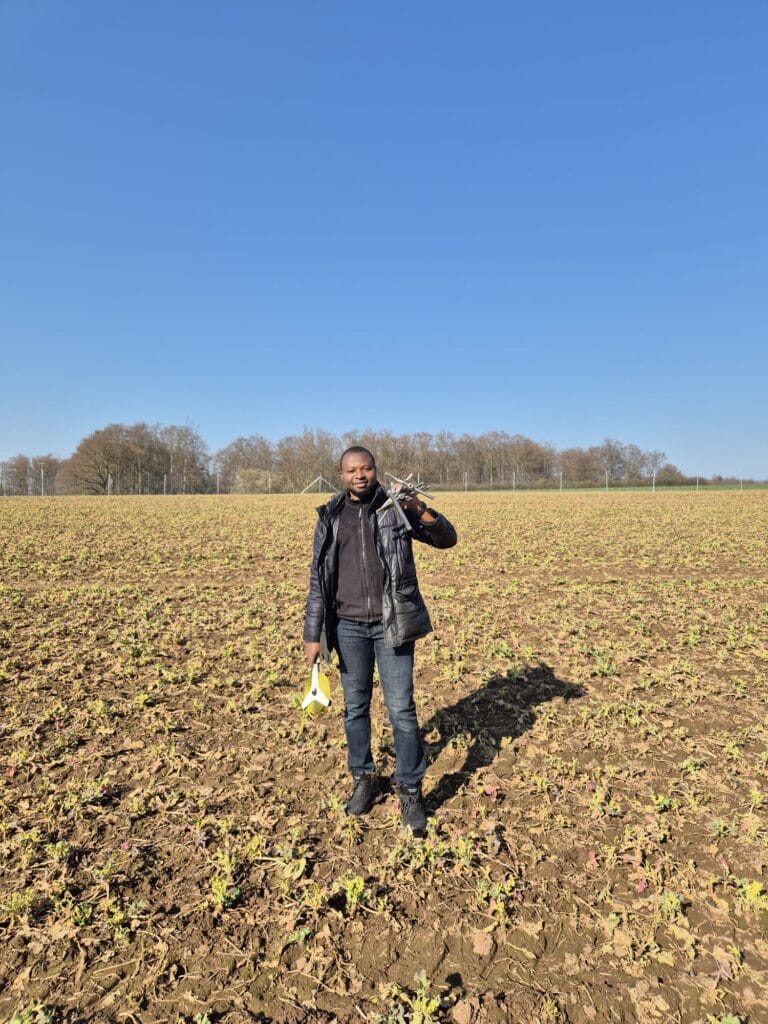
Forschungsteam ZP: Experimente, Daten-Hub und Synthese von Erkenntnissen

Prof. Rötter, PI
TROPAGS

Dr. Hoffmann, PI
TROPAGS

Prof. Piepho, PI
Biostatistik UH

Prof. Neugart, PI
Qualität & Sensorik
Analyse

Prof. Scholten, PI
Nutzpflanzengenetik

Prof. Dippold, PI
Biogeochemie UT

Dr. Komainda, PI
IGSAA CAU

Prof. Feußner, CoPI
Biochemie
der Pflanze

Dr. Ur Rahman, CoPI
TROPAGS

Prof. Ngetich, CoPa
JOOUST

Prof. Otieno, CoPa
JOOUST

Dr. Bulli, CoPa
JOOUST
Dr. Abdulai, Postdoc
TROPAGS

Dr. König, Postdoc
Biochemie
der Pflanze

Dr. Schmidt, Postdoc
Biostatistik UH

Ofori, PhD
Qualität & Sensorik
Analyse
Bode, TA
TROPAGS

Kaufmann, TA
Genetik

Lührs, TA
GAU Göttingen
Schnellnavigation → MultiStress Forschungsverbund (FOR 6101)
Machen Sie sich vertraut mit dem Zentralen Projekt, dem Koordinationsprojekt und den 6 Teilprojekten.

ZP – Zentrales Projekt
Experimente, Datenhub und Synthese der Ergebnisse
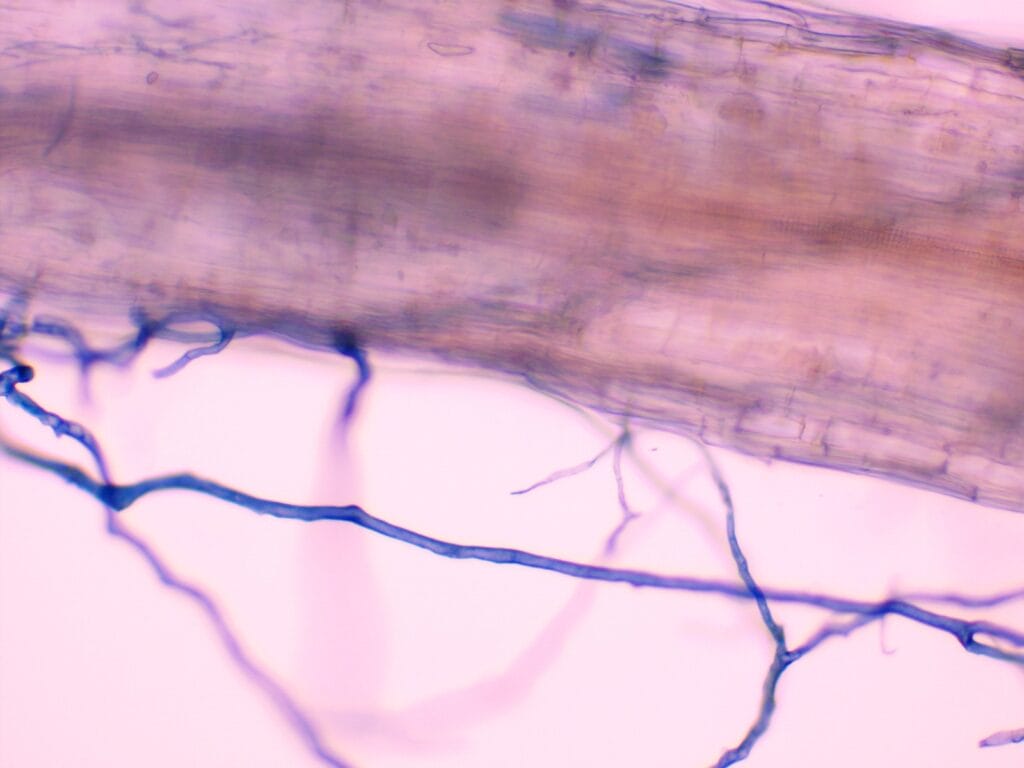
SP1
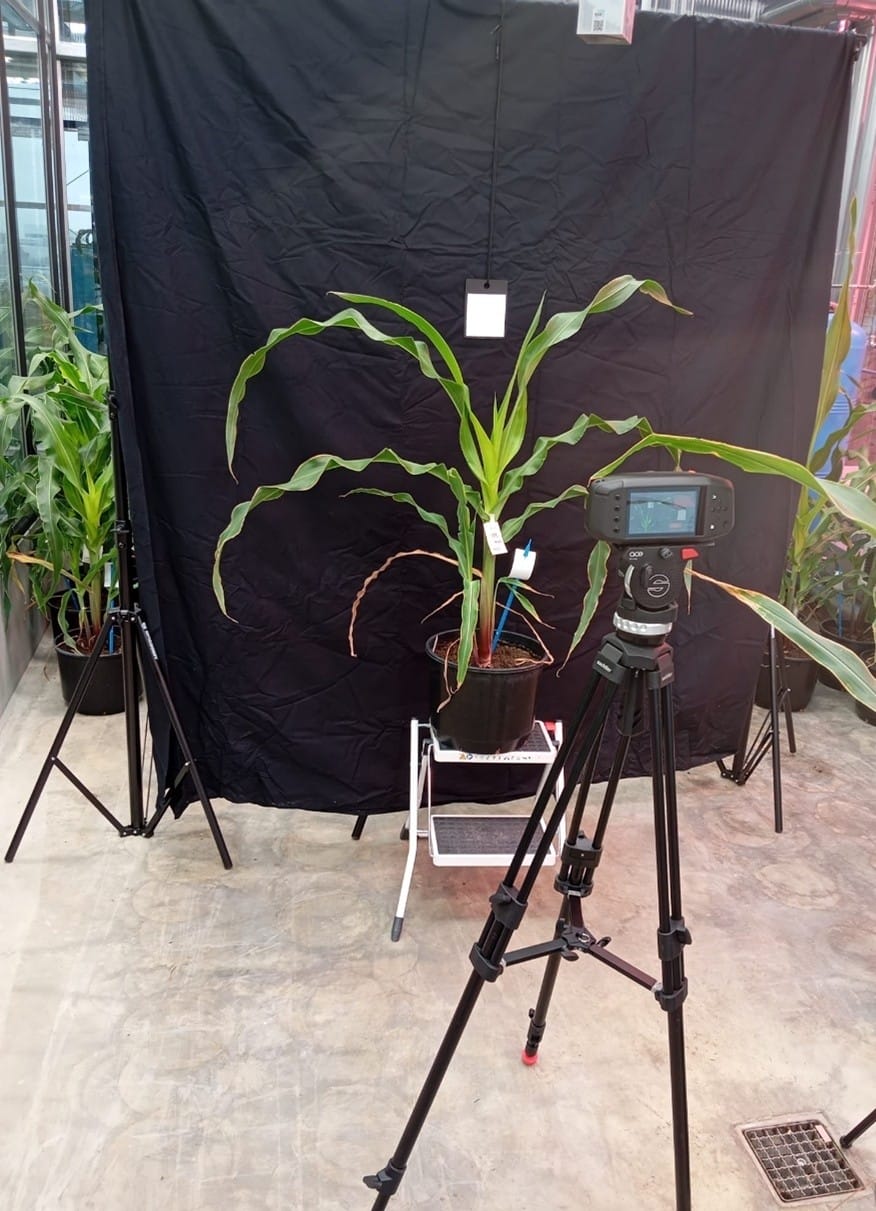
Auswirkungen von Stress-Genotyp-Interaktionen auf die ober- und unterirdische Kohlenstoffallokation, die Nährstoffnutzungseffizienz und Prozesse in der Wurzeltiefe
SP2
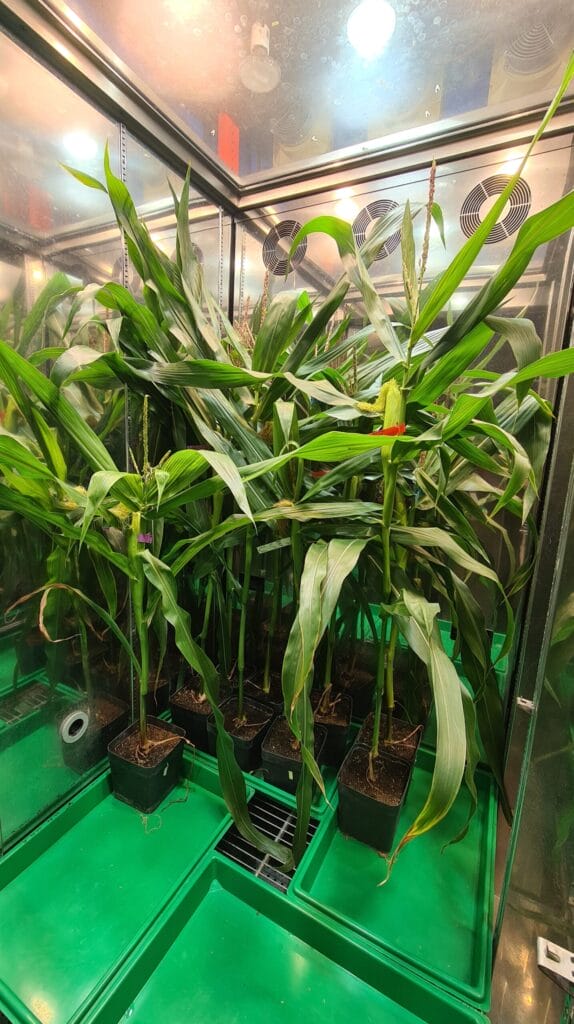
Untersuchung der physiologischen, biochemischen und molekularen Reaktionen von Mais auf gleichzeitige biotische und abiotische Stressfaktoren
SP3
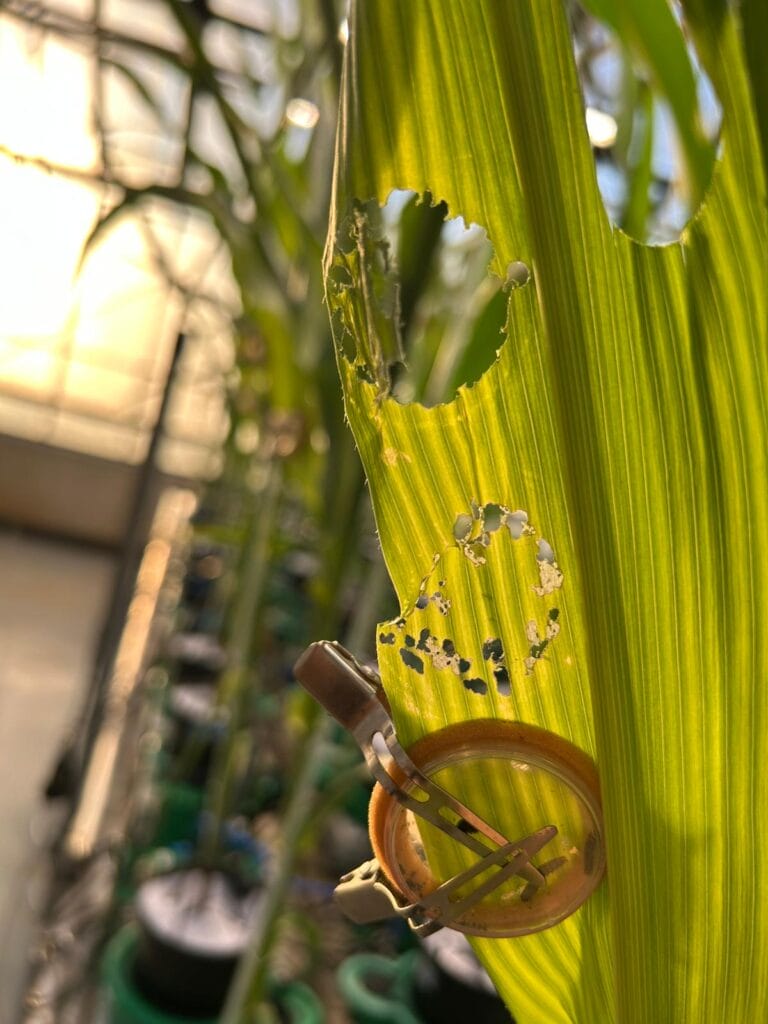
Molekulare Anpassung an kontrastierende Stressregime
SP4
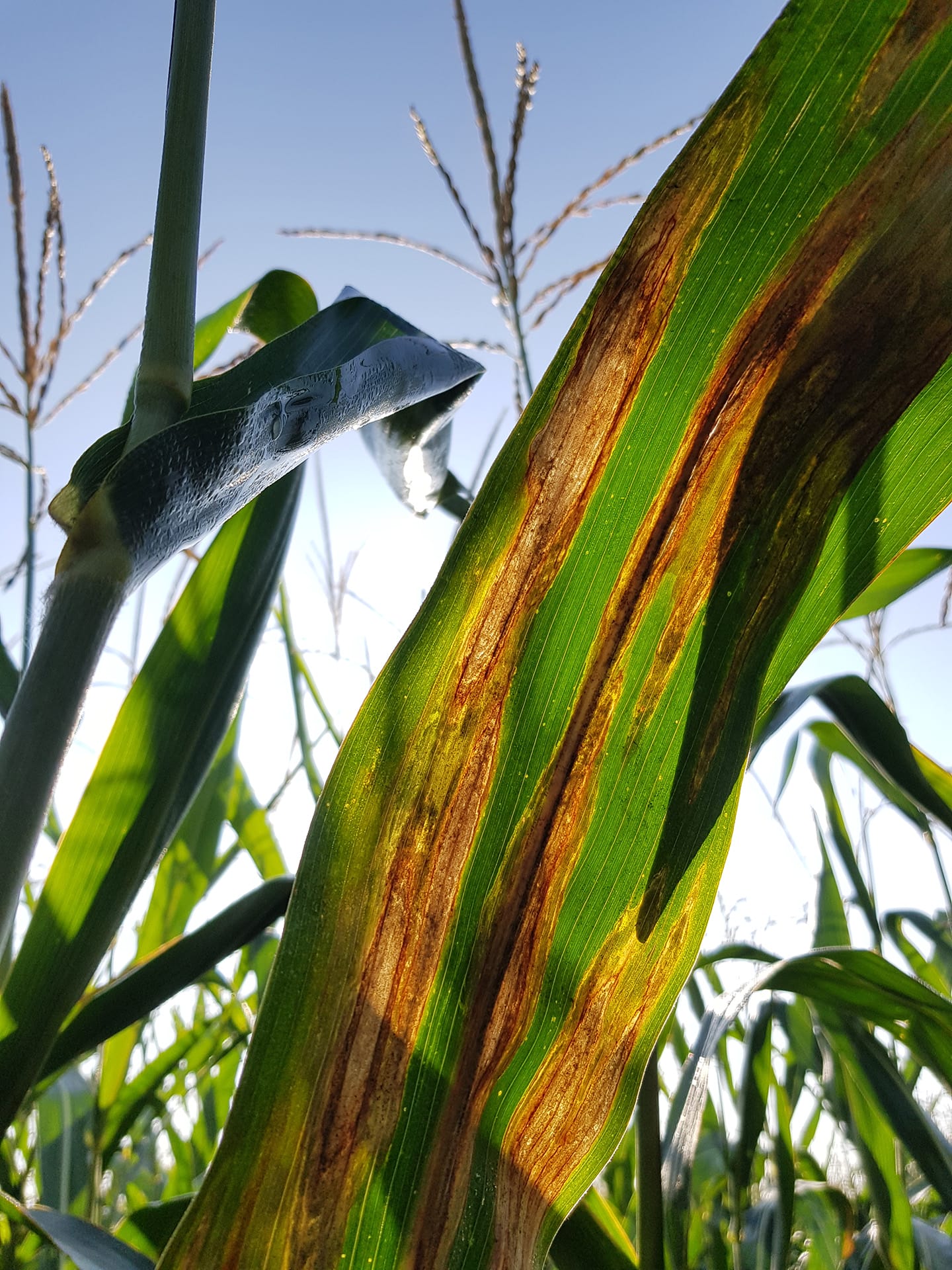
Kombinierte Auswirkungen von Stängelbohrern und abiotischen Stressfaktoren auf kommerzielle Maishybride
SP5
Kombinierte Effekte von Setosphaeria turcica und abiotischen Stressfaktoren auf Maisgenotypen
SP6
Integration der Genetik in Pflanzenwachstumsmodelle zum Verständnis der Genotyp-Reaktion auf kombinierte (abiotische + biotische) Stressfaktoren und Modellsynthese

COP – Koordinationsprojekt
Strategie, Dissemination und Kapazitätsaufbau