
SP2: Untersuchung der Physiologischen, Biochemischen und Molekularen Reaktionen von Mais auf Gleichzeitige Biotische und Abiotische Stressfaktoren
Wie reagiert Mais, wenn Trockenheit, Hitze, Stickstoffmangel sowie Angriffe durch Pathogene oder Insekten gleichzeitig auftreten? SP2 untersucht die physiologischen, biochemischen und molekularen Mechanismen, die den Reaktionen von Mais auf kombinierte Stressfaktoren zugrunde liegen – von der Wasseraufnahme in den Wurzeln und der stomatären Regulation bis hin zur ABA-Signalübertragung und oxidativem Stress. Dabei kommen modernste bildgebende Verfahren, maschinelles Lernen und funktionelle Genomik zum Einsatz, um die Maiszüchtung unter den Bedingungen eines sich wandelnden Klimas zu unterstützen.
Projektbeschreibung
Zentrale Forschungsfragen:
Wie integrieren Maispflanzen ihre Reaktionen auf gleichzeitige abiotische (Trockenheit, Hitze, Stickstoffmangel) und biotische (Setosphaeria turcica, Stängelbohrer) Stressfaktoren? Welche zentralen hydraulischen, biochemischen und molekularen Engpässe begrenzen die Leistungsfähigkeit unter Multistressbedingungen? Lassen sich funktionelle Variationen in Komponenten der ABA-Signalübertragung identifizieren, die zu einer erhöhten Multistresstoleranz führen? Und schließlich: Können hyperspektrale Bildgebung und maschinelles Lernen interpretierbare spektrale Signaturen aufdecken, die zugrunde liegende physiologische und biochemische Stressreaktionen widerspiegeln?
Methoden/Ansätze (Schlüsselbegriffe):
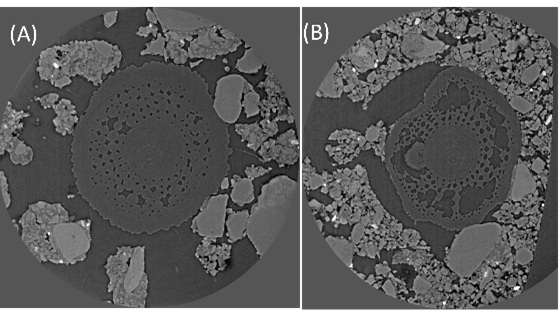
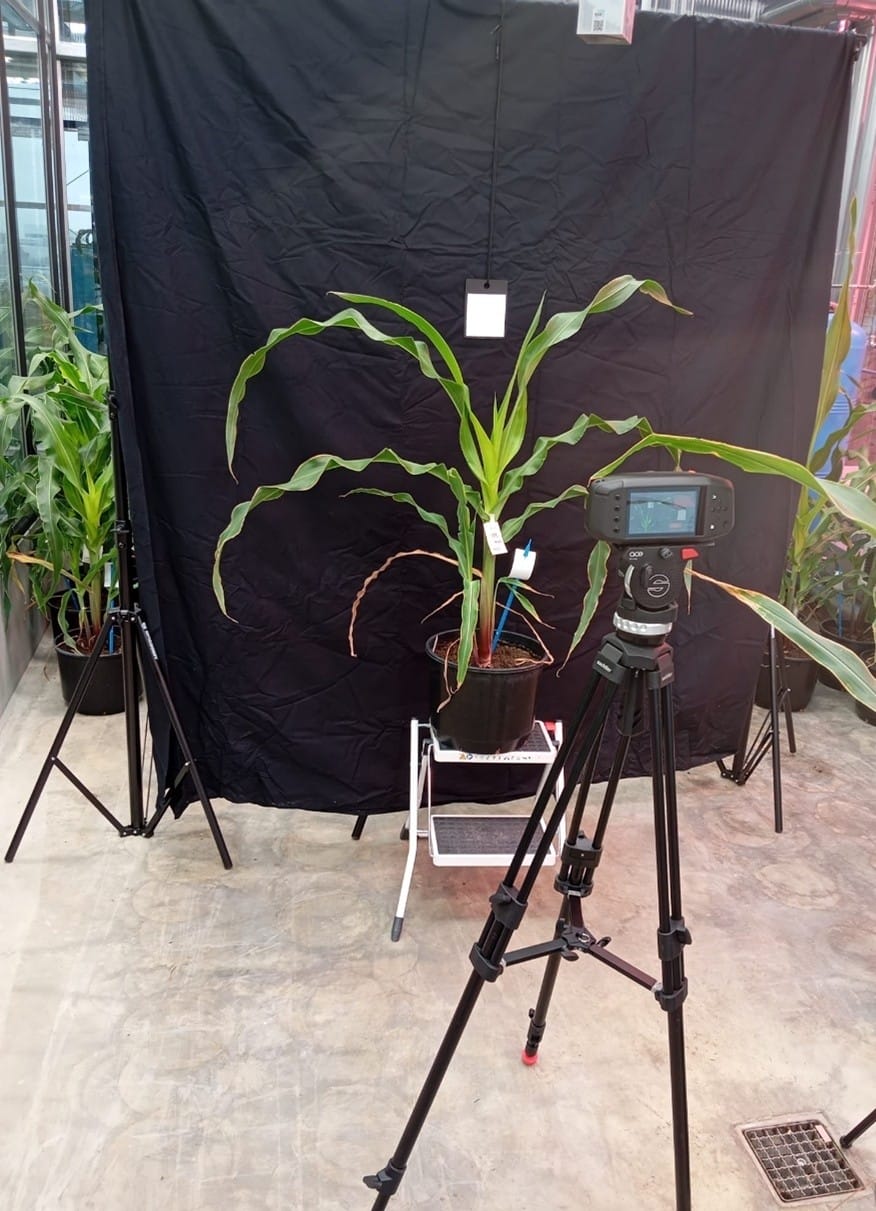
Boden-Pflanze-Hydraulik; automatisierte Wurzeldruckkammer; Röntgen-Mikro-CT; Neutronenradiographie mit D₂O-Markierung; hyperspektrale Bildgebung (400–1000 nm); Vegetationsindizes (NDVI, PRI, WBI, DWSI); Thermografie; Chlorophyllfluoreszenz; maschinelles Lernen (SVM, PLSR, ANN); Phytohormon-Profilierung (UHPLC-HESI-HRMS); ROS- und antioxidative Enzymassays (SOD, POD, CAT, APX, GPX); protoplastenbasierte funktionelle Assays von ABA-Signalvarianten; kontrollierte Umgebungsbedingungen; Feldexperimente in Deutschland und Kenia.
Erwartete Ergebnisse und Relevanz:
SP2 wird ein mechanistisches Verständnis dafür liefern, wie hydraulische Limitierungen im Boden-Pflanze-System, Wurzel-Boden-Interaktionen, stomatäres Verhalten, das Gleichgewicht oxidativen Stresses sowie ABA-Signalwege unter Multistress-Szenarien koordiniert werden. Durch die Integration hochauflösender Phänotypisierung – einschließlich hyperspektraler Bildgebung in Kombination mit physiologischen und biochemischen Referenzdaten – mit molekular-funktionellen Analysen über sechs kommerzielle Hybride hinweg und in zwei kontrastierenden Umgebungen wird SP2 zentrale Merkmale und regulatorische Knotenpunkte identifizieren, die multistressbedingten Reaktionen zugrunde liegen. Modelle des maschinellen Lernens werden in der Lage sein, bedeutungsvolle Muster aus multidimensionalen spektralen Datensätzen zu extrahieren und damit stressspezifische Signaturen zu identifizieren sowie deren trait-basierte Interpretation zu unterstützen. Diese Erkenntnisse fließen direkt in die MultiStress-Modellierungsplattform (SP6) ein, liefern einen physiologischen Kontext für genomische und transkriptomische Daten (SP1, SP3) und dienen als Grundlage für die Identifikation von Zuchtzielen zur Entwicklung widerstandsfähigerer Maissorten unter Bedingungen des Klimawandels.
Forschungsteam ZP

Prof. Ahmed, PI
Root-Soil TUM
Dr. Ejaz, PI
Agronomie

Dr. Yang, CoPI
Root-soil TUM

Prof. Otieno, CoPa
JOOUST

Dr. Bulli, CoPa
JOOUST

Dr. Nyongesa, CoPa
JOOUST

Wangchen Zhang, PhD
Root-Soil, TUM

Angura Louis, PhD
Agronomie

Christoph Heidersberger, TA
Root-Soil TUM

Michael Schmidt, TA
Root-Soil, TUM

Gabrielle Kolle, TA
Agronomie

Christiane Münter, TA
Agronomie
Schnellnavigation → MultiStress Forschungsverbund (FOR 6101)
Machen Sie sich vertraut mit dem Zentralen Projekt, dem Koordinationsprojekt und den 6 Teilprojekten.

ZP – Zentrales Projekt
Experimente, Datenhub und Synthese der Ergebnisse
SP1
Auswirkungen von Stress-Genotyp-Interaktionen auf die ober- und unterirdische Kohlenstoffallokation, die Nährstoffnutzungseffizienz und Prozesse in der Wurzeltiefe
SP2
Untersuchung der physiologischen, biochemischen und molekularen Reaktionen von Mais auf gleichzeitige biotische und abiotische Stressfaktoren
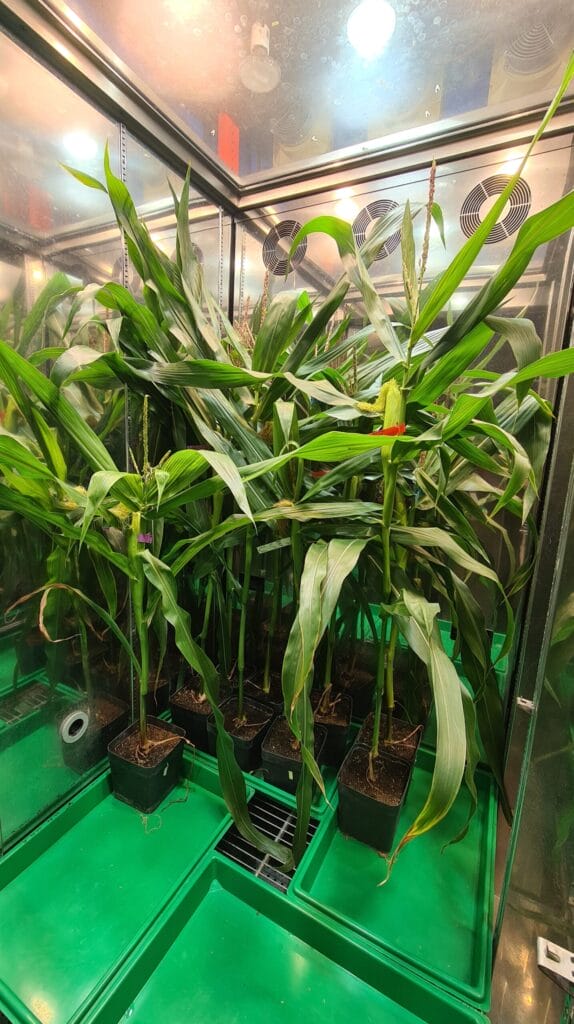
SP3
Molekulare Anpassung an kontrastierende Stressregime
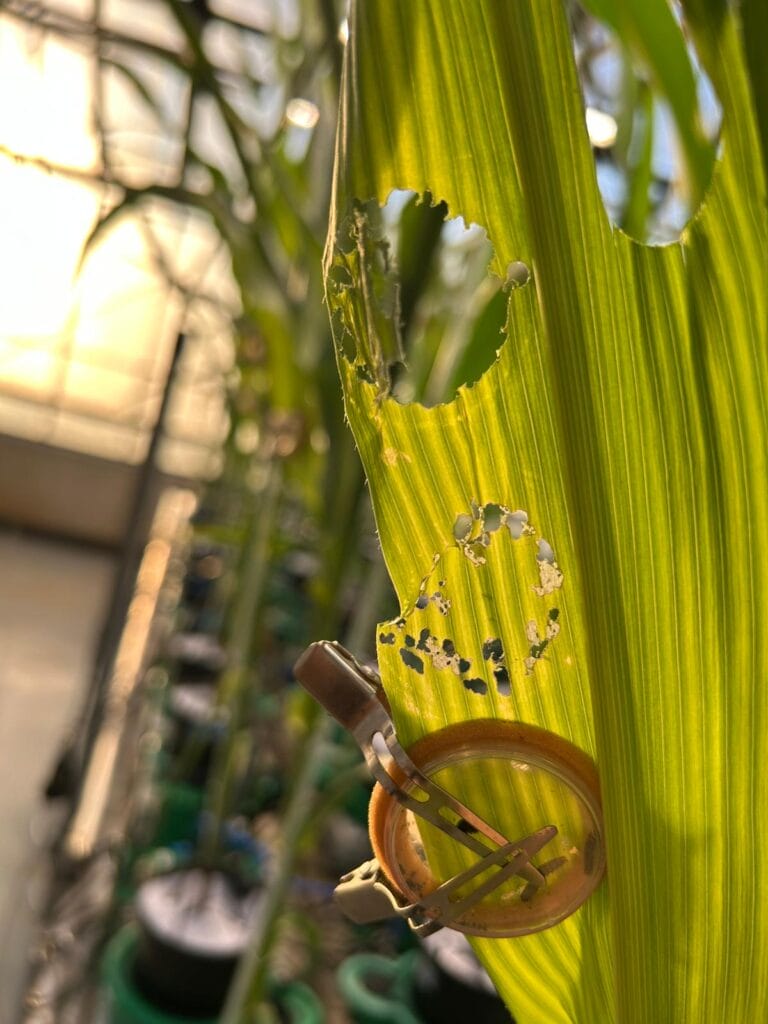
SP4
Kombinierte Auswirkungen von Stängelbohrern und abiotischen Stressfaktoren auf kommerzielle Maishybride
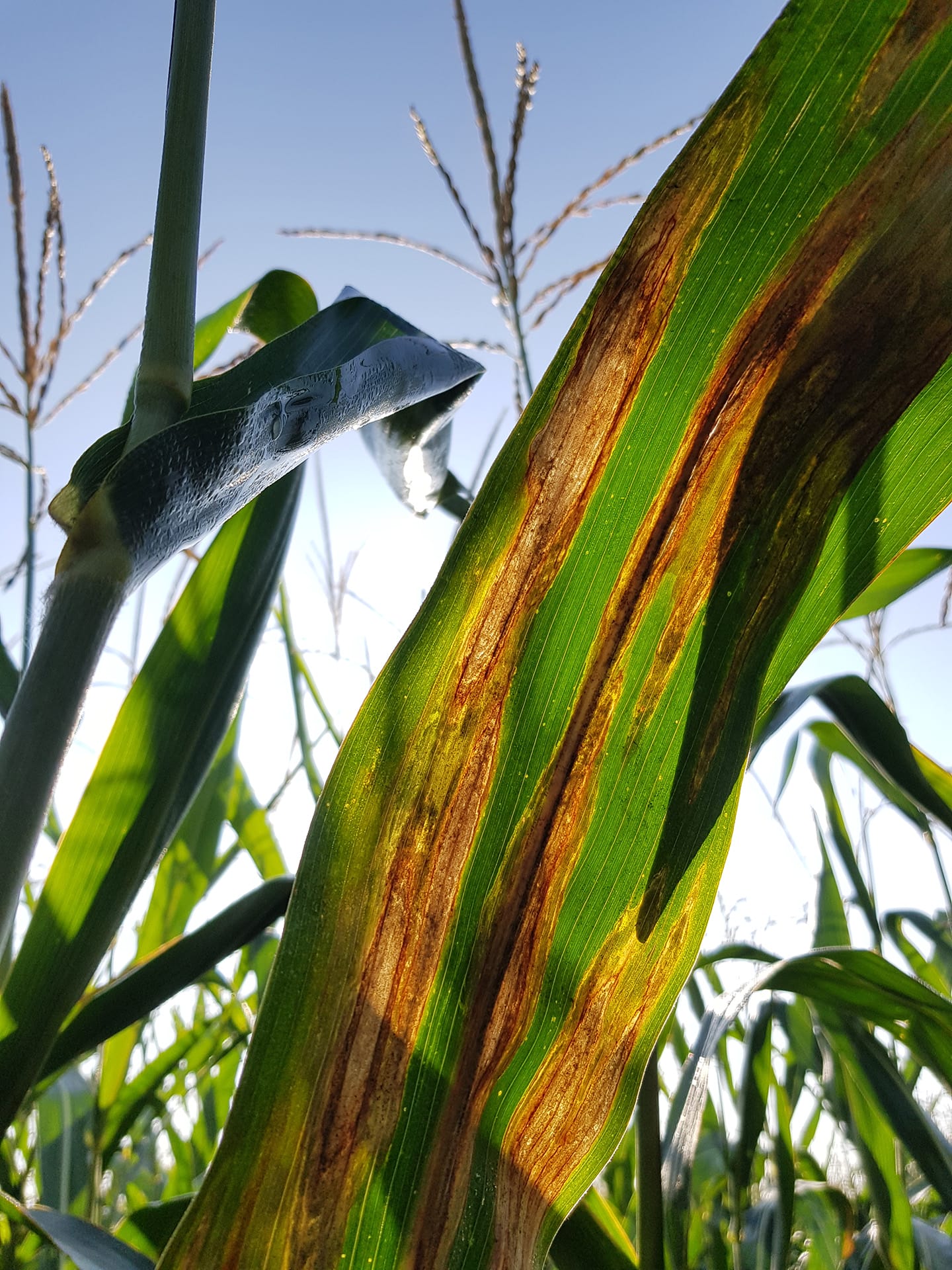
SP5
Kombinierte Effekte von Setosphaeria turcica und abiotischen Stressfaktoren auf Maisgenotypen
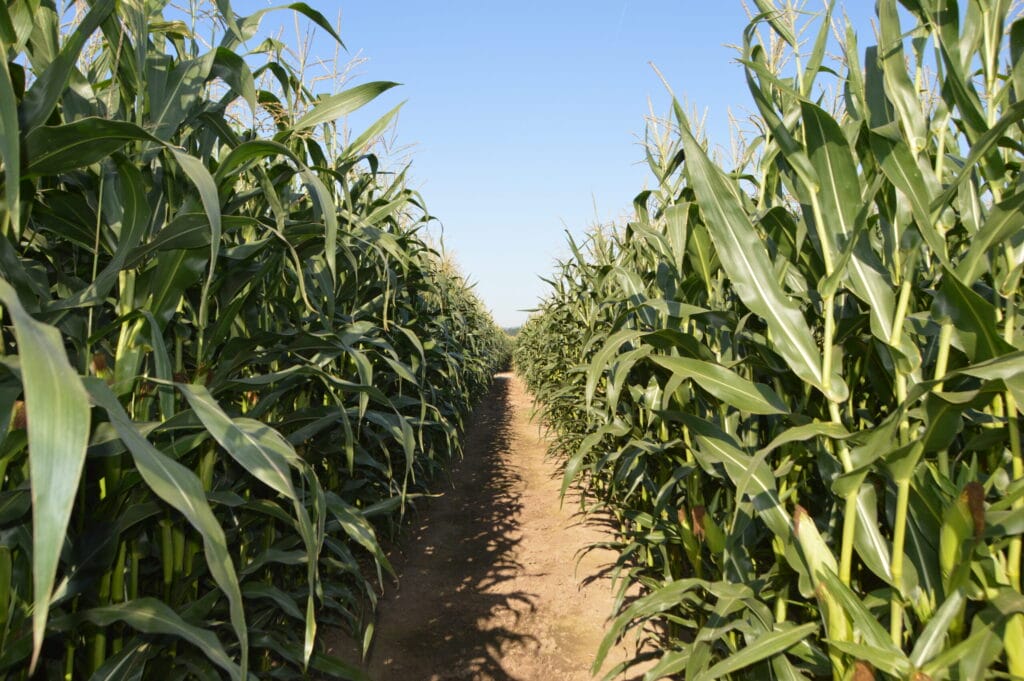
SP6
Integration der Genetik in Pflanzenwachstumsmodelle zum Verständnis der Genotyp-Reaktion auf kombinierte (abiotische + biotische) Stressfaktoren und Modellsynthese

COP – Koordinationsprojekt
Strategie, Dissemination und Kapazitätsaufbau